Cold wind and road spray can quickly turn a comfortable ride into an unpleasant one. The best windproof cycling overshoes add a protective layer over your cycling shoes without creating unnecessary bulk or restricting movement.
This roundup compares 10 options ranging from lightweight toe covers to insulated waterproof overshoes, helping you match coverage, weather protection, and fit to the conditions you ride in most.
Best 10 Windproof Cycling Overshoes Picks for 2026
Warm Reflective Coverage
ROCKBROS Windproof Cycling Overshoes
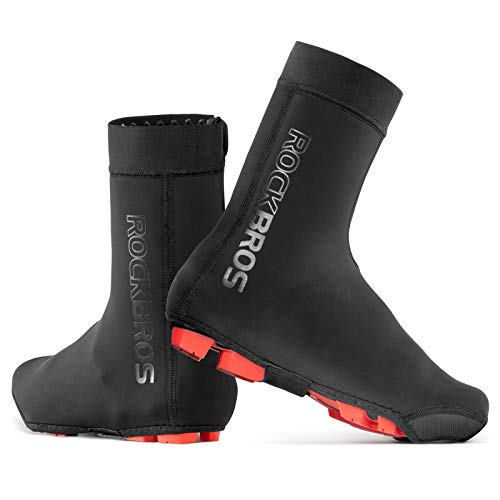
- Fleece-lined and breathable
- Water-resistant sealed zipper
- Kevlar panel and reflective logo
Best For: Cold-weather commuting and daily rides
Stretch-Fit Cold Weather Layer

- Two-way stretch polyester
- DWR-treated outer fabric
- Fleece interior with ankle-flex panel
Best For: Flexible cold-weather road riding
Thermal Wind Barrier
ROCKBROS Adjustable Cycling Shoe Covers
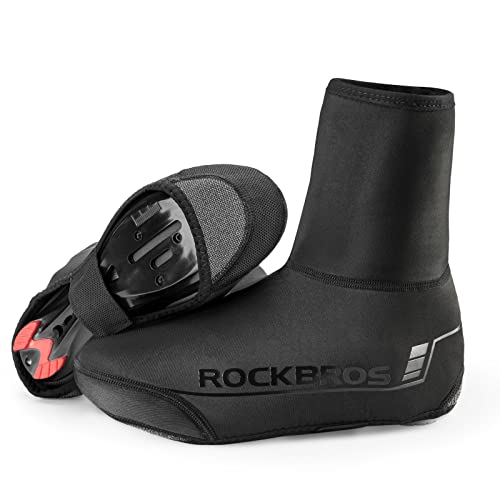
- Thick thermal wind protection
- Water-resistant outer layer
- Adjustable hook-and-loop strap
Best For: Cold commutes and light-rain rides
Storm-Ready Road Protection
Fizik Waterproof Winter Road Overshoe

- Waterproof and windproof 3L upper
- Waterproof YKK zipper
- Thermo-welded seams and rubberized outsole
Best For: Wet winter road cycling
Cold-Weather Shield

- Windproof, water-resistant PU outer layer
- Soft insulated interior for winter warmth
- Reflective strips and foldable design
Best For: Packable warmth for fall and winter rides
Wet-Ride Defender
DexShell Waterproof Cycling Overshoes

- Waterproof neoprene resists rain and road spray
- Silicone-grip cuff and cleat-compatible sole
- Reinforced panels and reflective rear stripe
Best For: Wet-weather commuting and winter cycling
Toasty Toe Guard

- 5mm insulation targets cold toes
- Windproof and rainproof Kevlar/SBR build
- Cleat opening suits road and MTB shoes
Best For: Targeted toe warmth on cold rides
Best Reflective Protection
ROCKBROS Waterproof Cycling Shoe Covers

- Waterproof, windproof polyester construction
- Hook-and-loop closure and cleat-compatible sole
- Three reflective strips for nighttime visibility
Best For: Wet-weather commuters and road or MTB riders seeking visibility
Best Thermal Coverage
CXWXC 2 mm Neoprene Road Cycling Booties

- 2 mm neoprene helps insulate in cold weather
- Waterproof and windproof winter protection
- Above-ankle adjustable rear opening
Best For: Winter road and MTB riders prioritizing warmth
Best MTB Winter Fit
CXWXC Neoprene MTB Cycling Shoe Covers

- Waterproof, windproof, and thermal protection
- 2 mm neoprene insulation for cold rides
- Rubber sole and adjustable above-ankle opening
Best For: MTB riders needing warm winter shoe coverage
Warm Reflective Coverage – ROCKBROS Windproof Cycling Overshoes
For riders seeking windproof cycling overshoes for cold-weather commuting or training, this ROCKBROS pair combines a fleece lining with a water-resistant outer and sealed zipper. The stretchy fit, Kevlar front panel, and reflective rear logo add practical protection for regular rides.
Best For: Daily cycling, commuting, and outdoor rides in cold, windy, or lightly wet conditions.
Pros:
- Fleece lining provides warmth while the breathable fabric helps release moisture.
- Water-resistant outer material and lockable sealed zipper help block rain and splashes.
- Kevlar front panel helps resist abrasion from road debris.
- Reflective rear logo, lightweight construction, and foldable design improve low-light visibility and portability.
Cons:
- Water-resistant rather than fully waterproof.
- Fit is size-specific, so careful shoe-size selection is important.
This is a practical winter overshoe for riders who want warmth, wind protection, and everyday wet-weather coverage without a bulky design.
Stretch-Fit Cold Weather Layer – CASTELLI Entrata Shoecover
The CASTELLI Entrata is a streamlined option for riders comparing windproof cycling overshoes for cold-weather road rides. Its two-way stretch polyester fabric, DWR treatment, and fleece interior aim to balance protection, flexibility, and warmth.
Best For: Cold-weather road cyclists who prioritize stretch and ankle mobility.
Pros:
- DWR-treated fabric provides added resistance to moisture.
- Fleece interior adds warmth for cold rides.
- Two-way stretch construction supports a flexible fit.
- Contoured center stretch panel allows easier ankle flexion.
Cons:
- The supplied notes do not specify a waterproof rating.
- Pull-on closure may be less adjustable than a zipper-based design.
Choose this model when a flexible, close-fitting overshoe with a warm interior matters more than maximum storm protection.
Thermal Wind Barrier – ROCKBROS Adjustable Cycling Shoe Covers
These ROCKBROS windproof cycling overshoes add a thicker thermal layer around cycling shoes to help block cold wind, dust, and light rain. Stretch fabric, a durable zipper, and an adjustable hook-and-loop strap help create a secure fit for road cycling, mountain biking, and commuting.
Best For: Riders wanting insulated coverage with an adjustable under-shoe fit.
Pros:
- More than 0.6 mm of double thermal material helps protect against wind and cold.
- Water-resistant outer helps repel light rain and road splashes.
- Bottom hook-and-loop strap helps fine-tune fit and reduce shifting.
- Reflective details and a zipper add practical ride-day features.
Cons:
- Designed for water resistance, not full waterproof protection.
- Minimal cushioning means it is primarily an outer protective layer.
This pair suits riders who prefer a warmer, more substantial overshoe and value adjustability for keeping the cover in place.
Storm-Ready Road Protection – Fizik Waterproof Winter Road Overshoe
Fizik Overshoe,Waterproof Winter Road Cycling Overshoe with Reflective Parts, Black, M (40-43)
Check Price On AmazonFor riders who need windproof cycling overshoes for genuinely wet winter conditions, the Fizik Waterproof Winter Road Cycling Overshoe emphasizes waterproof construction. Its three-layer upper, membrane, bonded mesh, waterproof YKK zipper, and thermo-welded seams are designed to keep moisture out.
Best For: Winter road cyclists seeking waterproof and windproof protection.
Pros:
- Waterproof and windproof three-layer upper with membrane and bonded mesh.
- Waterproof YKK zipper and thermo-welded seams help limit water entry.
- Rubberized outsole provides grip.
- Reflective logo and piping support visibility in low-light conditions.
Cons:
- The supplied notes do not mention a fleece or thermal lining.
- Designed for road cycling, so versatility beyond road shoes may be limited.
This is the strongest match here for riders who prioritize waterproof storm protection, sealed construction, and road-focused performance.
Cold-Weather Shield – PU Thermal Cycling Overshoes
These windproof cycling overshoes use a water-resistant PU outer layer and a soft, warm interior to help protect feet from cold wind and light wet conditions. The lightweight, foldable design is convenient for winter rides, while the rear reflective strips add visibility in low light.
Best For: Winter cyclists who want lightweight, packable full-foot covers with warmth and basic weather protection.
Pros:
- PU surface helps block cold wind and water.
- Thick, soft interior fabric provides added warmth.
- Hidden waterproof zipper helps simplify entry while limiting water intrusion.
- Reflective rear strips improve low-light visibility.
Cons:
- Described as water-resistant rather than fully waterproof.
- Closure and fit details may require careful sizing.
Choose these if portability and winter warmth matter most. They are a practical casual option for fall and winter rides, though riders facing sustained heavy rain may prefer a fully waterproof design.
Wet-Ride Defender – DexShell Waterproof Cycling Overshoes
For riders seeking windproof cycling overshoes for wet-weather commuting or winter training, the DexShell model emphasizes waterproof protection and durability. Heavy-duty neoprene, abrasion-resistant toe and mid-sole panels, and a water-resistant zipper help defend against spray and rain.
Best For: Cyclists who regularly ride in wet, windy conditions and want a secure, durable cover for cycling shoes.
Pros:
- Waterproof neoprene construction helps shield feet from rain and road spray.
- Elastic cuff with silicone gripper helps keep the cover in place.
- Semi-open sole is compatible with most cycling cleat systems.
- Reflective rear zipper stripe improves low-light visibility.
Cons:
- Fit guidance recommends sizing up over winter sneakers or bulkier footwear.
- Minimal cushioning means these are protective covers rather than cushioned footwear.
- Fit feedback is mixed, so sizing deserves attention.
This is the strongest weather-focused choice in the group, particularly for cycling shoes and regular wet-weather use. Its reinforced construction adds confidence for demanding rides, but check sizing carefully before ordering.
Toasty Toe Guard – ROCKBROS Thermal Toe Covers
These windproof cycling overshoes are toe covers rather than full shoe covers, concentrating 5mm thermal insulation over the front of the foot. Kevlar and SBR materials help block cold air and rain, while the exposed cleat opening keeps them suited to MTB and road cycling shoes.
Best For: Road and MTB riders who need focused toe warmth and weather protection without covering the entire shoe.
Pros:
- 5mm thermal material helps retain warmth in cold conditions.
- Kevlar and SBR construction provides windproof and rainproof protection.
- Rear elastic loop and bottom band help secure the cover.
- Reflective logo and reinforced forefoot add visibility and durability.
Cons:
- Toe-cover design leaves more of the shoe exposed than full overshoes.
- Available in only three sizes, so fit selection is important.
ROCKBROS is a focused solution for riders whose main problem is cold toes. The open cleat area and compact coverage suit performance cycling shoes, while the Kevlar-reinforced front is useful for regular riding wear.
Best Reflective Protection – ROCKBROS Waterproof Cycling Shoe Covers
For riders prioritizing weather coverage and visibility, these windproof cycling overshoes use high-density polyester to help block rain, cold wind, road splash, and dirt. The roomy cut, hook-and-loop closure, and cleat-compatible sole make them practical for road cycling, MTB, and commuting.
Best For: Wet-weather commuters and road or MTB riders who want reflective visibility and an easy adjustable closure.
Pros:
- Waterproof and windproof polyester construction helps protect shoes from rain and road spray.
- Hook-and-loop fastening is easy to put on and remove.
- Works with most road and mountain bike cleats.
- Three reflective strips improve visibility during nighttime rides.
Cons:
- The roomy fit may require sizing down for a snug feel.
- The supplied notes do not specify thermal insulation beyond wind protection.
The ROCKBROS covers are a strong all-around choice when waterproofing, compatibility, and nighttime visibility matter more than a close-fitting design. Check the sizing carefully based on your preferred fit.
Best Thermal Coverage – CXWXC 2 mm Neoprene Road Cycling Booties
These windproof cycling overshoes are built for cold, wet rides with 2 mm neoprene that helps insulate feet while resisting tearing. The above-ankle hook-and-loop back opening supports easier fitting and full coverage for road and mountain bike shoes.
Best For: Men and women who need thermal protection for winter road or MTB riding.
Pros:
- 2 mm neoprene provides insulation against cold weather.
- Windproof and waterproof design helps protect in wet conditions.
- Hook-and-loop rear opening extends above the ankles for coverage and adjustability.
- Designed to fit various types of bike shoes.
Cons:
- Neoprene construction may feel warmer than needed in milder conditions.
- The zipper listed in the product details may offer less straightforward maintenance than a fully hook-and-loop design.
Choose this CXWXC model when warmth is a priority. Its neoprene construction and above-ankle coverage make it better suited to winter riding than lightweight rain-only overshoes.
Best MTB Winter Fit – CXWXC Neoprene MTB Cycling Shoe Covers
Designed for cold-weather riding, these windproof cycling overshoes combine waterproof neoprene with a thermal design to help shield feet from wet and chilly conditions. The adjustable closure and rubber sole are suited to full-coverage protection for MTB and road cycling shoes.
Best For: MTB riders and winter cyclists looking for warm, waterproof booties with a rubber sole.
Pros:
- Windproof, thermal, and waterproof construction supports winter riding.
- 2 mm neoprene helps insulate against cold.
- Hook-and-loop rear opening extends above the ankle for a secure adjustable fit.
- Rubber sole provides a durable outer base for MTB-oriented use.
Cons:
- The product details indicate minimal cushioning.
- The thermal construction may be excessive for warm-weather rides.
This CXWXC variant makes sense for riders who want full winter coverage and a rubber sole for MTB use. It offers similar cold-weather protection to the road-oriented version, with details geared toward mountain biking.
How We Picked the Best Windproof Cycling Overshoes
We focused on the features that matter most during cold, exposed rides: wind resistance, water protection, thermal insulation, construction quality, closure design, and compatibility with common road and mountain-bike shoes. The selection includes full-length overshoes for wet winter conditions, lighter shoe covers for chilly or changeable weather, and toe covers for riders who need targeted protection.
We also considered practical details such as sole openings, reinforced toe and heel areas, zipper or hook-and-loop closures, visibility elements, and the likelihood of fitting over different shoe shapes. Because cycling overshoes vary substantially in warmth and weatherproofing, the best choice depends on your route, footwear, and local conditions.
Quick Comparison
| Type | Best For | Main Advantage | Watch For |
|---|---|---|---|
| Insulated full overshoes | Cold winter rides | Warmth and wind protection | Can feel bulky in mild weather |
| Waterproof overshoes | Rain and road spray | Helps keep shoes and socks dry | Breathability may be limited |
| Lightweight shoe covers | Cool, variable conditions | Lower bulk and easy packing | Less insulation in freezing weather |
| Toe covers | Cool temperatures and short rides | Fast, simple protection | Leaves more of the shoe exposed |
Key Buying Factors for Windproof Cycling Overshoes
Weather Protection
For dry but blustery rides, a windproof fabric may be sufficient. If rain is common, look for waterproof or water-resistant materials, sealed seams, and a close-fitting ankle opening. No overshoe protects equally well against prolonged heavy rain, so check whether the design prioritizes waterproofing or breathability.
Warmth and Layering
Thermal linings and thicker fabrics are useful in winter, while lighter covers suit shoulder seasons. Make sure there is enough room to fit over your cycling shoes without stretching the seams or making the closure difficult to fasten.
Fit and Compatibility
Check the manufacturer’s size chart using your cycling-shoe size rather than your everyday footwear size. Road shoes, MTB shoes, and shoes with prominent cleats can require different cuts. A snug fit reduces flapping and water entry, but the cover should not interfere with cleat engagement or walking.
Durability and Details
Reinforced toe and heel panels help resist abrasion, especially when walking before or after a ride. Look for sturdy zippers, secure hook-and-loop fasteners, flexible sole openings, and reflective details if you regularly ride in low light.
Who Should Buy Which Windproof Cycling Overshoes?
Choose a fully insulated model if you regularly ride in freezing temperatures or strong winter wind. A waterproof full-length overshoe is the better match for frequent rain, wet roads, and commuting. Riders who face cool mornings but warmer afternoons may prefer a lighter, packable cover. Toe covers are a practical choice for mild cold, short rides, or cyclists who want quick protection without covering the entire shoe.
For most riders, the best Windproof Cycling Overshoes are the pair that fits securely over their specific shoes and matches their typical weather. Prioritize fit and closure quality first, then choose the level of warmth and waterproofing your routes actually require.