Wet feet, road spray, and cold wind can turn an otherwise manageable commute into an uncomfortable ride. The right cycling overshoes help protect your shoes and socks without adding unnecessary bulk or making it harder to walk at your destination.
We’ve selected 10 commuting-friendly options covering heavy rain, winter temperatures, spring and fall conditions, and tighter budgets. Use the guide below to match the construction, fit, and weather protection to your daily route.
Best 10 Cycling Overshoes for Commuting Picks for 2026
Everyday Rain Protection

- Fits over trainers and street shoes
- Long cut protects shoes and trouser legs
- Reflective details and reinforced sole
Best For: Wet-weather commutes in everyday footwear
Winter Road Coverage
Fizik Waterproof Winter Road Overshoe

- Waterproof and windproof three-layer upper
- Waterproof zip and welded seams
- Rubberized outsole with reflective details
Best For: Winter road-bike commuting in wet conditions
Lightweight Wet-Weather Shield

- Waterproof, windproof and breathable
- Lightweight and easy to store
- Rear Velcro adjustment and reflective details
Best For: Packable protection for cool-weather commutes
Spring-to-Fall Layer
GripGrab Primavera Cover Socks

- Light insulation for spring and fall
- Close-fitting, zipperless knitted design
- Reinforced heel and cleat holes
Best For: Cooler commutes in road-cycling shoes
Winter Warmth Pick
ROCKBROS Thermal Windproof Shoe Covers

- Fleece-lined for cold-weather warmth
- Windproof, water-resistant construction
- Reflective details and Kevlar sole
Best For: Winter commuters prioritizing insulation
Wet-Weather Protection Pick
DexShell Waterproof Cycling Overshoes

- Waterproof neoprene construction
- Silicone-grip cuff helps secure fit
- Reinforced panels and reflective stripe
Best For: Rainy winter commutes and road spray
Daily Commuter Pick
ROCKBROS Warm Water-Resistant Shoe Covers
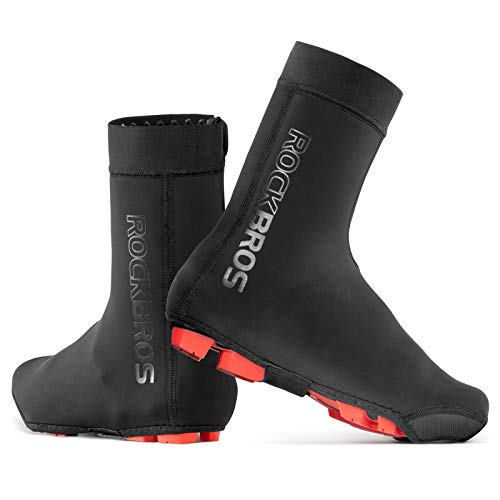
- Fleece-lined and breathable
- Sealed zipper helps resist splashes
- Lightweight and foldable for storage
Best For: Everyday cold and damp-weather commuting
Rain-Ready Fit
YKYWBIKE Waterproof Shoe Covers

- Windproof, water-repellent surface
- Secure elastic and hook-and-loop fit
- Wipe-clean design with cleat opening
Best For: Commuters wanting simple wet-weather shoe protection
Winter Commute Warmth
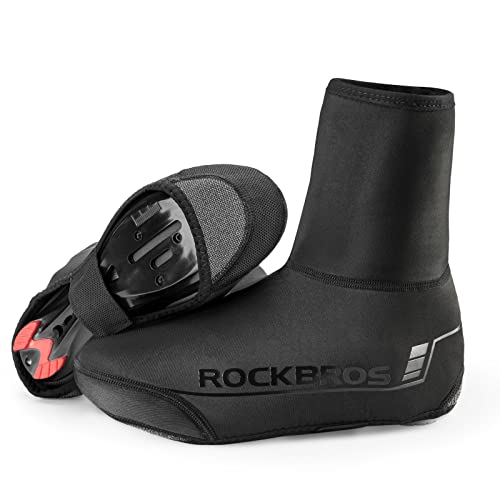
- Thick thermal material blocks cold wind
- Water-resistant against light rain and splash
- Zipper, stretch fabric, and adjustable strap
Best For: Cold-weather commuters prioritizing warmth
Visibility in Wet Weather
ROCKBROS Waterproof Shoe Covers

- Waterproof and windproof polyester construction
- Three reflective strips for nighttime visibility
- Hook-and-loop closure and cleat-friendly sole
Best For: Wet-weather commuters riding in low light
Everyday Rain Protection – GripGrab Dryfoot 2
For commuters looking for cycling overshoes for commuting, the GripGrab Dryfoot 2 is designed to slip over ordinary trainers or street shoes. Its long cut helps shield feet, shoes and trouser legs from rain, splashes, mud and chain stains.
Best For: Everyday commuters who ride in wet conditions wearing normal street shoes.
Pros:
- Works over regular trainers and street shoes.
- Long design helps protect shoes and trouser legs.
- Large rear hook-and-loop fastening makes fitting and removal straightforward.
- Reflective elements and an available high-visibility yellow option improve visibility.
Cons:
- Designed for everyday shoes rather than a close road-cycling-shoe fit.
- The supplied size is XL, listed for sizes 9.5–10.5.
The Dryfoot 2 is a practical option when your priority is keeping work shoes and lower trousers cleaner and drier. Aramid-fibre sole reinforcements also support durability for regular commuting use.
Winter Road Coverage – Fizik Waterproof Winter Road Overshoe
Fizik Overshoe,Waterproof Winter Road Cycling Overshoe with Reflective Parts, Black, M (40-43)
Check Price On AmazonThe Fizik Waterproof Winter Road Cycling Overshoe suits riders seeking cycling overshoes for commuting in cold, wet weather. Its waterproof and windproof three-layer upper, waterproof zip and thermo-welded seams are aimed at keeping road-cycling shoes protected.
Best For: Road cyclists commuting through winter rain and wind.
Pros:
- Waterproof and windproof three-layer upper with membrane.
- Waterproof YKK zip and thermo-welded seams help limit water entry.
- Rubberized outsole provides added grip.
- Reflective logo and piping add visibility details.
Cons:
- Presented as a road-cycling overshoe, so it may not suit everyday trainers.
- The notes do not specify insulation or a temperature range beyond the winter designation.
Choose this model when wet-weather protection is more important than casual versatility. The zip closure and waterproof construction make it a focused option for winter road riding and commuting.
Lightweight Wet-Weather Shield – GORE WEAR C3 GORE-TEX
GORE WEAR C3 Unisex Cycling Shoe Covers GORE-TEX, Size: 13.5-15, Color: Neon Yellow Overshoes
Check Price On AmazonFor commuters comparing cycling overshoes for commuting in cool, changeable weather, the GORE WEAR C3 combines GORE-TEX Active technology with a lightweight design. It is waterproof, windproof and breathable, with a rear Velcro fastener for adjustment.
Best For: Riders wanting packable waterproof overshoes for cool-weather commutes.
Pros:
- GORE-TEX Active technology is waterproof, windproof and breathable.
- Lightweight material makes storage convenient.
- Adjustable rear Velcro fastener supports fit adjustment.
- Reflective details and a neon-yellow colour option support visibility.
Cons:
- The open sole is designed around pedal-system compatibility rather than full sole coverage.
- Listed as intended for cool weather, rather than severe winter conditions.
- The supplied listing is for sizes 13.5–15.
The C3 is a strong choice if you want weather protection that can be carried easily between rides. Its semi-fitted construction and adjustable fastening offer a practical balance between coverage and convenience.
Spring-to-Fall Layer – GripGrab Primavera Cover Socks
The GripGrab Primavera is a lighter alternative for riders seeking cycling overshoes for commuting during spring and autumn. Its soft knitted fabric provides light insulation and wind-chill protection over road-cycling shoes, while the zipperless construction keeps the profile flexible.
Best For: Spring and fall road-bike commutes using cycling shoes rather than sneakers.
Pros:
- Provides light insulation for cooler transition-season rides.
- Close-fitting knitted fabric creates minimal bulk.
- Zipperless design improves flexibility and reduces potential irritation.
- Reinforced heel and cleat holes support fit and durability.
Cons:
- Not intended for MTB shoes or everyday shoes such as sneakers.
- Offers light insulation rather than stated waterproof protection.
- Designed specifically around road-cycling shoes and cleats.
The Primavera works best as a comfortable seasonal cover sock rather than a heavy rain overshoe. It is a sensible pick for cooler, drier commutes when a close fit and clean road-cycling look matter.
Winter Warmth Pick – ROCKBROS Thermal Windproof Shoe Covers
For riders seeking cycling overshoes for commuting in cold weather, these ROCKBROS covers focus on thermal fleece insulation and wind protection. The adjustable design extends over bike pants, while a Velcro bottom strap helps support fit and reduce strain on the zipper.
Best For: Winter commuters and cyclists who prioritize warmth, wind resistance, and a flexible fit.
Pros:
- Thermal fleece lining helps keep feet warm in cold conditions.
- Windproof polyester-and-PU construction helps block chilly air.
- Reflective, water-resistant construction adds practical commuting features.
- Kevlar sole and redesigned strap-and-zipper system support durability.
Cons:
- The sizing runs larger than standard overshoes, so the size chart is important.
- Water resistance may be less suitable than a fully waterproof design for sustained heavy rain.
This is a sensible winter-focused option when warmth is the priority. Commuters should pay close attention to sizing, especially when wearing the covers over larger shoes.
Wet-Weather Protection Pick – DexShell Waterproof Cycling Overshoes
These DexShell covers are a strong choice for shoppers comparing cycling overshoes for commuting in wet, windy conditions. Heavy-duty waterproof neoprene, a water-resistant zipper, and a semi-open sole provide weather protection while remaining compatible with most cycling cleat systems.
Best For: Commuters who regularly ride through rain, road spray, and cold winter weather.
Pros:
- Waterproof neoprene helps protect shoes and feet from wet conditions.
- Elastic cuff with an inner silicone gripper helps prevent slipping.
- Reinforced toe and mid-sole panels improve abrasion resistance.
- Reflective rear print stripe improves visibility in low light.
Cons:
- Designed for cycling shoes; bulkier winter sneakers may require sizing up.
- The semi-open sole may provide less coverage than a fully enclosed overshoe.
For rainy commutes, the waterproof construction and reinforced panels make this the most weather-focused option in the group. Check the fit carefully if you plan to layer it over anything larger than a cycling shoe.
Daily Commuter Pick – ROCKBROS Warm Water-Resistant Shoe Covers
For everyday cycling overshoes for commuting, these ROCKBROS covers balance warmth, portability, and wet-weather coverage. Their fleece lining, water-resistant outer, sealed zipper, and stretchy fit are designed for regular rides in cold or damp conditions.
Best For: Daily commuters who want lightweight, foldable covers with warmth and visibility features.
Pros:
- Fleece lining provides warmth while the breathable fabric helps release moisture.
- Water-resistant outer and lockable sealed zipper help block rain and splashes.
- Kevlar front adds abrasion resistance against road debris.
- Lightweight, foldable construction is convenient for a bike bag or pocket.
Cons:
- Water-resistant protection is not the same as fully waterproof coverage.
- Available sizing is specific, so accurate shoe-size selection is essential.
This model is a practical middle ground for routine commuting, especially when conditions are cold and occasionally wet rather than persistently rainy. Its foldable design is useful for riders who want backup protection on changing-weather days.
Rain-Ready Fit – YKYWBIKE Waterproof Shoe Covers
For commuters comparing cycling overshoes for commuting, the YKYWBIKE covers offer a windproof, water-repellent outer surface and a close-fitting design for damp, cool rides. The rear elastic ring, anti-slip strip, and bottom hook-and-loop closure help keep the cover in position over compatible cycling shoes.
Best For: Riders who want lightweight weather protection and an easy-clean cover for road or MTB cycling.
Pros:
- Windproof and water-repellent surface helps protect against moisture and cold air.
- Rear elastic and bottom hook-and-loop closure support a secure fit.
- Hardened, shaped sole leaves room for compatible shoe studs.
- Surface can be wiped clean with a damp cloth or wet wipes.
Cons:
- Runs small, so sizing up may be preferable for a looser fit.
- Compatibility is described broadly rather than for a specific cleat system.
Its adjustable closure and wipe-clean finish make it a practical commuter option, particularly when you value straightforward fitting and protection from light wet-weather conditions.
Winter Commute Warmth – ROCKBROS Thermal Shoe Covers
Among cycling overshoes for commuting, these ROCKBROS covers focus on warmth for cold-weather rides. Their thicker thermal material helps block cold wind, while the water-resistant outer layer is intended to repel light rain and road splashes.
Best For: Commuters and recreational cyclists seeking added warmth and wind protection in winter conditions.
Pros:
- More than 0.6 mm of double thermal material helps insulate feet.
- Water-resistant outer layer helps repel light rain and road splash.
- Durable zipper and stretch fabric support repeated use and quick wearing.
- Adjustable bottom strap helps stabilize the fit around cycling shoes.
Cons:
- Water protection is described as water-resistant rather than fully waterproof.
- Thermal construction may be more than needed for mild-weather commuting.
This is the stronger choice when warmth is the priority. The zipper, elastic fabric, and adjustable strap also make it convenient for frequent rides, though riders needing full waterproofing may want a different style.
Visibility in Wet Weather – ROCKBROS Waterproof Shoe Covers
These ROCKBROS covers are designed for cyclists seeking waterproof cycling overshoes for commuting, with high-density polyester intended to block rain, wind, road splash, and dirt. Three reflective strips add visibility for nighttime rides, while the hook-and-loop closure avoids a traditional zipper.
Best For: Road and MTB commuters who want waterproof coverage, reflective detailing, and an adjustable closure.
Pros:
- Waterproof and windproof construction helps protect shoes in wet weather.
- Three reflective strips improve visibility during nighttime rides.
- Hook-and-loop closure is easy to put on and remove.
- Sole opening is designed for most road and mountain-bike cleats.
Cons:
- The roomy cut may require sizing down for a snug, slim fit.
- At approximately 0.42 lb per overshoe, they may feel less minimal than lighter covers.
With waterproof protection and reflective strips, this model is well suited to commuters facing rain and reduced light. Its roomy fit is useful for easier layering but should be considered when choosing a size.
How We Picked the Best Cycling Overshoes for Commuting
We focused on the features that matter most for practical everyday riding: weather protection, insulation, durability, compatibility with common road and mountain-bike shoes, ease of fitting, and visibility. The selection includes waterproof rain covers, insulated winter designs, lighter shoulder-season overshoes, and more affordable options for occasional wet-weather use.
For commuting, we also considered details often overlooked in racing-focused gear, such as reinforced toe and heel areas, dependable closures, coverage around the ankle, and whether the overshoes are likely to tolerate repeated use against pedals, curbs, and crowded bike racks.
Quick Comparison
- Heavy rain: Look first at fully waterproof or waterproof-breathable materials, sealed construction, and a close ankle fit.
- Cold-weather commuting: Choose thermal insulation and windproof fabric, especially for longer rides or exposed routes.
- Spring and fall: Lightweight cover socks can block wind and light rain without overheating.
- Road shoes: Low-profile road overshoes usually offer the closest fit and best aerodynamic coverage.
- Mixed or MTB footwear: Check sole openings and sizing carefully, since treaded shoes need more clearance and durability.
Key Buying Factors for Cycling Overshoes for Commuting
Waterproofing and Coverage
For consistently wet commutes, prioritize waterproof fabrics and a tall ankle section that overlaps your tights or trousers. A water-resistant outer layer may be sufficient for showers, but it will not protect as well during prolonged rain. A snug closure helps stop water entering from the top.
Warmth and Breathability
Thermal overshoes are useful below-season temperatures and on fast, windy routes, but thick insulation can become uncomfortable indoors or during hard efforts. If your commute is short and mild, lighter covers may be more versatile. Breathable panels can reduce sweat buildup on warmer rainy days.
Fit, Sole Design, and Durability
Choose a size based on your cycling shoe rather than ordinary footwear, and confirm whether the model is intended for road, touring, or MTB soles. Reinforced toe, heel, and cleat openings generally improve longevity. Overshoes should fit closely without stretching the zipper or restricting cleat engagement.
Visibility and Daily Convenience
Reflective details are valuable in early-morning or evening traffic. A wide opening, durable zipper, and easy-to-clean exterior also matter when the covers are used frequently. Consider whether you can remove them quickly before walking into work.
Who Should Buy Which Cycling Overshoes for Commuting?
Choose a fully waterproof model if your commute regularly includes heavy rain, puddles, or road spray. Select a thermal windproof option if cold temperatures are the main problem. For mild, changeable weather, lightweight spring-and-fall covers offer better comfort and packability. Riders using MTB or heavily treaded shoes should favor models with a compatible sole opening and reinforced construction. If you only need occasional protection, an affordable rain cover may provide the best value without the weight of a winter design.