Wet roads, cold wind, and road spray can quickly turn a comfortable ride into an unpleasant one. The best cycling overshoes under $50 add useful protection without the cost of premium race-day booties.
This roundup compares toe covers, stretch protectors, waterproof shoe covers, and insulated neoprene options for road and mountain biking. Use the guide below to match coverage, fit, and weather protection to your riding conditions.
Best 10 Cycling Overshoes Under 50 Picks for 2026
Best Transitional-Season Knit Overshoes
Primavera Road Cycling Overshoes

- Light insulation for spring and fall
- Zipperless, close-fitting knitted design
- Reinforced heel and cleat openings
Best For: Road rides in cool transitional weather
Best Toe Warmers for Cold Rides

- 5 mm thermal insulation
- Windproof and rainproof construction
- Reflective logo and reinforced Kevlar forefoot
Best For: Targeted warmth for road and MTB shoes
Best Waterproof Winter Value
Waterproof Windproof Cycling Shoe Covers

- Waterproof material for wet weather
- Warm full-shoe winter coverage
- Reflective construction and cleat openings
Best For: Cold, rainy, or snowy cycling
Best Everyday Winter Coverage
ROCKBROS Warm Cycling Shoe Covers
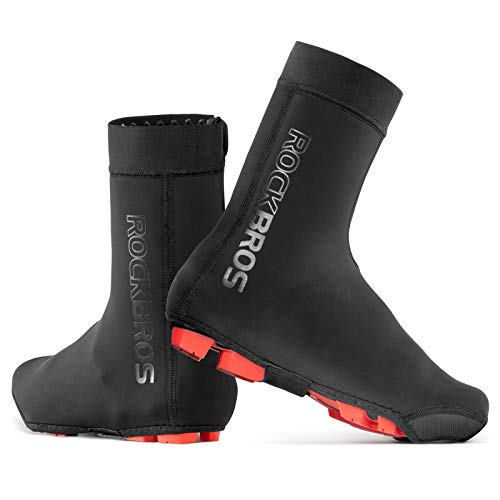
- Fleece-lined warmth and breathable stretch
- Water-resistant outer with sealed zipper
- Foldable design with Kevlar reinforcement
Best For: Daily commuting and cold-weather rides
Lightweight Stretch Pick
YKYWBIKE 4-Way Stretch Shoe Covers

- Snug nylon-and-spandex fit
- Quick rear zipper and anti-slip opening
- Under-130g, card-sized storage
Best For: Lightweight training and commuting rides
Winter Wind-Blocker
ROCKBROS Thermal Cycling Shoe Covers
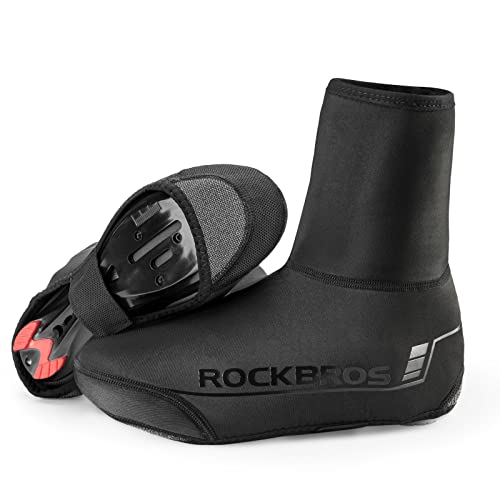
- Thick thermal wind protection
- Water-resistant outer layer for light rain
- Adjustable strap and durable zipper
Best For: Cold-weather cycling and daily commuting
Neoprene Wet-Weather Pick
CXWXC Waterproof Cycling Shoe Covers

- 2 mm insulating neoprene
- Waterproof winter protection
- Adjustable high-back fastening
Best For: Cold, wet road and mountain biking
Best Cold-Weather Toe Cover
ROCKBROS Thermal Cycling Shoe Covers

- 2.7 mm SBR Lycra helps block wind and cold
- Kevlar bottom supports everyday durability
- Two straps help secure the toe cover
Best For: Winter rides needing lightweight toe protection
Best Lightweight Rain Option
YKYWBIKE Waterproof Cycling Shoe Covers
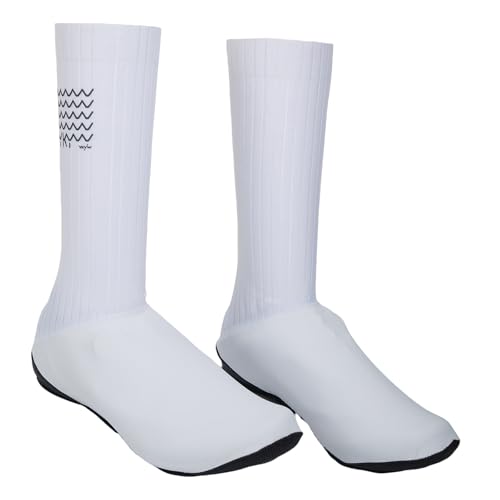
- Waterproof PU foot area blocks rain and road spray
- Silicone cuff helps prevent slipping
- Lightweight design rolls down for bike-bag storage
Best For: Wet rides and compact emergency rain coverage
Best Full-Cover Winter Bootie
CXWXC Neoprene Cycling Shoe Covers

- Neoprene and microfleece target cold-weather warmth
- Waterproof zipper, storm flap, and Velcro strap
- Kevlar base and reflective details add practicality
Best For: Wet, cold-weather rides needing full shoe coverage
Best Transitional-Season Knit Overshoes – Primavera Road Cycling Overshoes
If you need cycling overshoes under 50 for spring and fall rides, the GripGrab Primavera focuses on light insulation, windchill protection, and a close road-shoe fit. Its zipperless knitted construction keeps bulk and potential irritation low while helping protect shoes from dirt and grime.
Best For: Road cyclists riding in cool spring or autumn conditions who want a lightweight, streamlined cover.
Pros:
- Soft knitted fabric provides light insulation for transitional weather.
- Zipperless design offers flexibility and reduced irritation.
- Pre-cut, reinforced heel and cleat openings support fit and durability.
- High-cut cuff and subtle branding create an aero-inspired look.
Cons:
- Not designed for MTB shoes or everyday sneakers.
- Light insulation is intended for spring and fall rather than severe winter cold.
This is a practical choice when you want a snug, low-bulk road overshoe for transitional temperatures. The one-size 6–12 sizing should be checked carefully before ordering.
Best Toe Warmers for Cold Rides – ROCKBROS Thermal Toe Covers
Among cycling overshoes under 50, these ROCKBROS toe covers are a focused option for riders who mainly need extra warmth at the front of the foot. The 5 mm thermal insulation, windproof and rainproof materials, and reinforced Kevlar forefoot target cold-weather exposure without covering the entire shoe.
Best For: Road and MTB cyclists who want targeted toe protection for cold, wet rides.
Pros:
- 5 mm thermal insulation helps retain warmth in quite cold conditions.
- Windproof and rainproof Kevlar and SBR construction helps block cold air and water.
- Rear elastic loop and non-slip bottom band help keep the covers in place.
- Reflective side logo adds visibility in low light.
Cons:
- Toe-cover design provides less overall coverage than full overshoes.
- Only three sizes are offered, so sizing should be checked before purchase.
Choose these if cold toes are your main concern and you want a compact cover compatible with exposed road or MTB cleat areas. They are less suitable when you need full-shoe protection from rain and road spray.
Best Waterproof Winter Value – Waterproof Windproof Cycling Shoe Covers
For riders comparing cycling overshoes under 50 for wet winter conditions, this HomDSim-style cover emphasizes waterproofing, warmth, and broad compatibility. The high-elasticity outer material, zipper closure, reflective construction, and two sole openings are designed for use across many cycling shoes.
Best For: Winter cyclists who prioritize waterproof coverage and reflective visibility on road or outdoor rides.
Pros:
- Waterproof, high-elasticity material is designed for rainy or snowy rides.
- Provides warmth and protection in cold weather.
- Reflective composite material can improve visibility at night.
- Two sole openings accommodate most cycling shoes.
Cons:
- Only M and L size ranges are listed, which may limit fit options.
- Zipper closure can add a potential wear point compared with zipperless designs.
This model suits riders seeking full winter coverage and a waterproof construction at an accessible price. Confirm the listed EU sizing—M 37–42 and L 42–46—before ordering.
Best Everyday Winter Coverage – ROCKBROS Warm Cycling Shoe Covers
These ROCKBROS covers are a strong everyday option among cycling overshoes under 50, combining a water-resistant outer, fleece lining, and a sealed lockable zipper. Stretch fabric provides a snug fit, while Kevlar reinforcement and a reflective rear logo add practical protection for regular commuting and outdoor rides.
Best For: Daily cyclists who need warm, portable covers for cold, windy, and damp conditions.
Pros:
- Fleece lining adds warmth and comfort in cold weather.
- Water-resistant surface and sealed zipper help repel rain and splashes.
- Kevlar forefoot improves abrasion resistance against road debris.
- Lightweight, foldable design is easy to carry in a pocket or bike bag.
Cons:
- Water-resistant construction is not described as fully waterproof.
- Size-specific fit requires choosing carefully from EU 36–46 ranges.
This is a versatile pick for riders who value warmth, packability, and repeated daily use. Its broad activity range is useful, but cyclists expecting complete waterproofing should note the water-resistant specification.
Lightweight Stretch Pick – YKYWBIKE 4-Way Stretch Shoe Covers
If you want cycling overshoes under 50 for training rides, these YKYWBIKE covers focus on a close fit, quick access, and easy storage. The nylon-and-spandex construction stretches around many cycling shoe styles, while the rear reflective strip adds visibility for night riding.
Best For: Riders who prioritize a lightweight, snug-fitting cover for training, commuting, and convenient storage in a bike bag.
Pros:
- Stretch nylon-and-spandex fabric provides a close fit.
- Rear SBS zipper supports quick on-and-off use.
- Anti-slip silicone opening helps keep the covers in position.
- Under-130g design rolls into a card-sized bundle.
Cons:
- The supplied notes do not specify waterproof or thermal protection.
- White color may show road grime more readily.
- Size selection is important; use the provided size chart.
This is a practical choice when low weight, packability, and fit matter more than cold-weather insulation or wet-weather coverage.
Winter Wind-Blocker – ROCKBROS Thermal Cycling Shoe Covers
For shoppers comparing cycling overshoes under 50 for colder rides, the ROCKBROS LF1052 emphasizes warmth and wind protection. Its thicker thermal material adds a protective layer over cycling shoes, while the water-resistant outer surface helps repel light rain and road splashes.
Best For: Winter road cyclists, mountain bikers, and commuters seeking thermal coverage with adjustable fit features.
Pros:
- More than 0.6 mm double thermal material helps block cold wind.
- Water-resistant outer layer helps repel light rain and splashes.
- Adjustable hook-and-loop strap supports a secure fit.
- Durable zipper is rated for more than 10,000 uses.
Cons:
- Water resistance is intended for light moisture, not stated full waterproofing.
- Thermal construction may be less packable than lightweight stretch covers.
- The supplied notes describe minimal cushioning.
Choose these when cold-weather comfort is the priority and you want added protection against wind, dust, and light wet conditions without moving to a more specialized rain bootie.
Neoprene Wet-Weather Pick – CXWXC Waterproof Cycling Shoe Covers
These CXWXC covers are a strong option to consider when shopping for cycling overshoes under 50 for cold and wet rides. The 2 mm neoprene construction is designed to insulate against cold, while the waterproof design and high back opening provide broad coverage around road and mountain bike shoes.
Best For: Casual and professional cyclists who want warm, waterproof protection for winter road or mountain biking.
Pros:
- 2 mm neoprene helps insulate feet in cold conditions.
- Waterproof construction is suited to wet-weather riding.
- High back opening and hook-and-loop fastening simplify fitting.
- Flexible, lightweight design fits multiple types of bike shoes.
Cons:
- Neoprene may feel bulkier than thin stretch fabric covers.
- The supplied notes do not provide a specific weight.
- Fit should be checked carefully around the ankle and shoe.
Compared with the lighter YKYWBIKE option, this pair is more focused on insulation and waterproof coverage, making it the better match for exposed winter rides.
Best Cold-Weather Toe Cover – ROCKBROS Thermal Cycling Shoe Covers
For cyclists comparing cycling overshoes under 50, the ROCKBROS toe covers focus on warmth, wind resistance, and everyday durability. Their 2.7 mm SBR Lycra construction is designed for cold-weather rides, while the Kevlar bottom helps protect against wear.
Best For: Winter road, MTB, and BMX riders who want a lightweight thermal toe cover.
Pros:
- Designed to retain warmth in cold conditions, including temperatures noted as low as 10°F.
- Windproof, water-resistant 2.7 mm SBR Lycra material is elastic and easy to clean.
- Kevlar bottom adds protection and durability for regular use.
- Two securing straps help keep the cover in place.
Cons:
- These are toe covers rather than full shoe overshoes.
- Only S and L size ranges are listed, so fit options are more limited.
- Minimal cushioning may not add much comfort.
The ROCKBROS is a practical pick when warmth and low weight matter more than full-foot coverage. Check the listed shoe-size range carefully, especially because the supplied fit sentiment indicates it may run large.
Best Lightweight Rain Option – YKYWBIKE Waterproof Cycling Shoe Covers
The YKYWBIKE is a strong contender among cycling overshoes under 50 for riders prioritizing rain protection and packability. Its aero fabric stretches over the shoe, while waterproof PU material covers the foot area to help guard against rain and road spray.
Best For: Road and mountain cyclists who need reusable waterproof covers for wet rides.
Pros:
- Waterproof PU foot-area material helps keep feet dry in wet conditions.
- Stretchable aero fabric is intended to provide an aerodynamic fit.
- Wide silicone cuff helps reduce slipping during harder training.
- Reflective logo improves visibility for night riding, and the cover packs into a compact bundle.
Cons:
- The supplied notes do not specify insulation for winter warmth.
- Correct sizing depends on matching the cover to shoe length.
- Toe and heel fabric is reinforced, but walking durability is still a consideration.
Choose this model if rain resistance, a snug fit, and easy storage are your main priorities. It is better suited to wet-weather coverage than to deeply insulated winter riding.
Best Full-Cover Winter Bootie – CXWXC Neoprene Cycling Shoe Covers
For riders seeking cycling overshoes under 50 with fuller cold-weather coverage, the CXWXC uses neoprene, a microfleece polyester lining, and a waterproof construction. Its Kevlar base is intended to resist wear, while the zipper and Velcro strap help secure the bootie over road or mountain bike shoes.
Best For: Men and women riding in wet, cold weather who want full-cover thermal booties.
Pros:
- Neoprene and microfleece lining help keep feet warm in cold, wet weather.
- Waterproof design includes a side zipper, inner storm flap, and rubber Velcro strap.
- Kevlar base improves resistance to wear.
- Reflective side details add visibility in low-light conditions.
Cons:
- Full bootie construction may be less compact than a toe cover.
- The zipper and layered materials can add bulk compared with lighter covers.
- Fit still depends on selecting the correct size from the broad range.
The CXWXC is the most weather-focused option in this group, combining warmth, waterproofing, and full-shoe coverage. It makes sense for winter commuters and off-road riders who value protection over minimum weight.
How We Picked the Best Cycling Overshoes Under 50
We focused on practical protection, construction, and value across the selected products. The range includes lightweight toe covers for mild conditions, stretch fabric covers for splash resistance, windproof and water-resistant designs for shoulder seasons, and thermal neoprene booties for colder rides.
We also considered whether each style is suited to road, mountain, or general cycling shoes; how easily it should fit over footwear; and whether features such as reinforced soles, rear zippers, elastic openings, and weather-resistant materials support regular use. At this price, expectations should remain realistic: many options resist rain and spray rather than providing guaranteed long-duration waterproofing.
Quick Comparison
| Type | Best For | Main Benefit | Potential Trade-Off |
|---|---|---|---|
| Toe covers | Cool mornings and light spray | Lightweight, easy to pack | Limited protection around the heel and ankle |
| Stretch fabric covers | General shoulder-season riding | Close fit and simple layering | Less insulation than neoprene |
| Windproof or water-resistant covers | Variable weather and road spray | Better wind and splash protection | May not withstand prolonged heavy rain |
| Thermal neoprene booties | Cold-weather riding | Warmth and broad coverage | Bulkier and potentially warmer indoors |
Key Buying Factors for Cycling Overshoes Under $50
Weather Protection
For light rain and spray, water-resistant fabric may be sufficient. For colder, wetter rides, look for sealed or covered fasteners, a snug ankle opening, and a taller design that reduces gaps around the shoe. Waterproof claims vary, so avoid assuming that an inexpensive cover is suitable for hours of heavy rain.
Insulation and Material
Neoprene generally provides more warmth, while thin polyester or stretch fabrics are lighter and easier to wear in mild conditions. Windproof panels can make a noticeable difference on fast descents even when temperatures are not extremely low.
Fit and Compatibility
Check the manufacturer’s size chart against your cycling shoe size rather than relying only on everyday footwear. Road shoes often have a narrower, smoother shape, while mountain bike shoes may have bulkier soles and tread. Confirm that the cover has openings for cleats and heels, and check whether the design is intended for road, MTB, or both.
Durability and Ease of Use
Reinforced toe and sole areas help protect against abrasion, especially when walking is unavoidable. A zipper, hook-and-loop closure, or wide stretch opening can simplify fitting, but also adds another potential weak point. If you carry covers regularly, prioritize a design that folds compactly and dries reasonably quickly.
Who Should Buy Which Cycling Overshoes Under 50?
Choose toe covers if you mainly need protection from cool air and light road spray during spring or fall. Choose lightweight stretch covers for everyday commuting or mixed-weather rides where compact storage and easy fitting matter most.
Windproof or water-resistant full covers are the better choice for riders facing frequent puddles, drizzle, and exposed descents. For genuinely cold rides, select thermal neoprene booties with sufficient ankle coverage. Mountain bikers should pay particular attention to sole openings, tread clearance, and abrasion resistance, while road riders may prefer a closer, more aerodynamic fit.
Before ordering, verify sizing, cleat compatibility, and the expected weather conditions. Within this price range, the best value comes from choosing the right level of coverage rather than simply selecting the thickest or most heavily marketed option.