The right pedals can make cycling feel more comfortable when knee pain, stiffness, or limited mobility makes each rotation harder. A stable platform, secure foot placement, and an appropriate pedal system can reduce unwanted movement and help you ride with greater confidence.
We selected 10 options spanning everyday bikes, mountain bikes, road cycling, and seated pedal exercisers so you can match pedal design to your riding style, comfort needs, and level of support.
Best 10 Bike Pedals for Knee Pain Picks for 2026
Adjustable Clipless Pick

- Adjustable clipless tension
- Pop-up engagement mechanism
- Concave non-slip flat side
Best For: Cross-country riders wanting clipless and flat-pedal versatility
Wide Platform Support
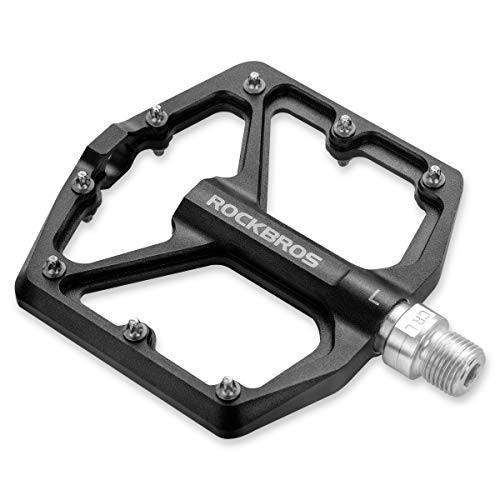
- 101 mm wide platform
- Grippy stainless-steel studs
- Sealed bearings and 302 g pair weight
Best For: Riders wanting stable, supportive flat pedals
Dual-Use SPD Choice
Shimano PD-EH500 SPD/Flat Pedal

- SPD and flat sides
- Aluminum MTB/gravel design
- Standard 9/16-inch thread
Best For: Riders switching between clipless and casual footwear
Smooth Comfort Option
Sunlite Comfort Grips ABS Pedals

- Textured non-slip rubber surface
- One-piece ABS composite body
- 9/16-inch boron spindle
Best For: Casual cruiser-bike riders seeking gentle pedal contact
Reliable Road Choice

- Adjustable spring tension for clip-in and release
- Wide platform supports stability and power transfer
- Beginner-friendly entry target with sealed bearings
Best For: Road cyclists seeking an adjustable clipless pedal
Flexible Trail Option
ROCKBROS Dual-Function SPD Pedals

- SPD clipless and flat sides in one pedal
- Widened platform improves contact and stability
- Sealed bearings help resist dust and water
Best For: MTB and hybrid riders wanting riding flexibility
Low-Impact Indoor Pick

- Low-impact seated pedaling for gentle exercise
- Quiet belt drive with stepless adjustment
- Supports both leg and arm workouts
Best For: Adults and seniors wanting convenient indoor movement
Stable Platform Pick
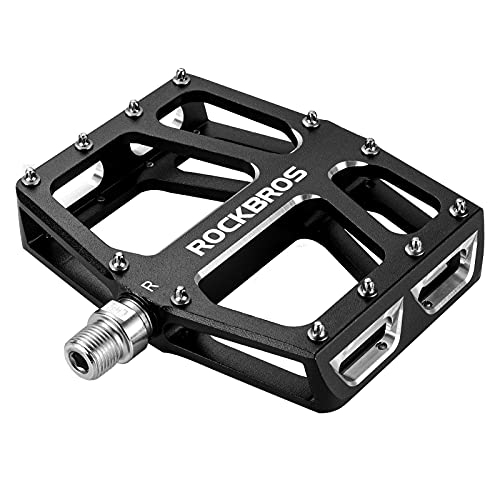
- Broad 120mm platform
- Grippy steel pins
- Sealed smooth bearings
Best For: Riders seeking a stable flat pedal for outdoor cycling
Supportive Indoor Option
Sunlite FullSupport Exerciser Pedals

- Ratcheting toe strap
- Rear heel support strap
- Fits 9/16-inch cranks
Best For: Indoor-bike users wanting additional foot support
Low-Impact Rehab Choice

- Seated low-impact exercise
- Adjustable pedal tension
- Stable frame with suction cups
Best For: Home rehabilitation and gentle seated workouts
Adjustable Clipless Pick – Shimano CLICK'R PD-T421
For riders comparing bike pedals for knee pain, the Shimano CLICK’R PD-T421 offers adjustable tension so you can fine-tune clipless engagement. Its pop-up mechanism and flat-side grip provide two riding options, while the concave platform and non-slip texture help support a stable foot position.
Best For: Adult cross-country riders who want adjustable clipless tension plus a usable flat-pedal side.
Pros:
- Adjustable tension settings allow rider-specific customization.
- Pop-up mechanism makes the clipless side easier to engage.
- Concave flat side with non-slip texture supports secure shoe grip.
- Sealed bearings and a chrome-moly axle are designed for long-term use.
Cons:
- Clipless pedals require compatible cycling shoes and an adjustment period.
- The supplied information does not specify the exact tension range.
This is a versatile choice for riders who want to experiment with clipless positioning without giving up a flat side. The adjustable tension is particularly useful when dialing in a comfortable release feel.
Wide Platform Support – ROCKBROS Aluminum MTB Pedals
These ROCKBROS flat pedals are a practical option for shoppers seeking bike pedals for knee pain and wanting broad foot support. The 101 mm platform distributes contact across the shoe, while stainless-steel anti-slip studs help keep footwear in place on varied terrain.
Best For: MTB, BMX, hybrid, commuter, and other adult riders who prefer a wide, grippy flat platform.
Pros:
- Wide 101 mm platform supports the foot evenly.
- Stainless-steel anti-skid spikes help prevent shoe slip.
- Sealed bearings and a protected spindle are designed to resist dust and water.
- Lightweight aluminum construction weighs about 302 g per pair.
Cons:
- Exposed studs may feel aggressive compared with smooth comfort pedals.
- Flat pedals do not provide clipless foot retention or adjustable release tension.
The wide platform and strong grip make these suitable for riders who want a stable, uncomplicated pedal interface. They are best matched with shoes that can comfortably handle the traction pins.
Dual-Use SPD Choice – Shimano PD-EH500 SPD/Flat Pedal
The Shimano PD-EH500 combines an SPD clipless mechanism with a flat side, giving riders flexibility when evaluating bike pedals for knee pain. Its dual-sided format lets you ride clipped in when desired or use ordinary shoes on the flat surface.
Best For: Adult mountain-bike riders who want one pedal for SPD riding and casual flat-pedal use.
Pros:
- Dual SPD/flat design supports two riding styles.
- Adjustable pedal format offers flexibility for setup preferences.
- Aluminum construction is suited to MTB and gravel use.
- Uses a standard 9/16-inch thread size.
Cons:
- Riders still need compatible SPD shoes to use the clipless side.
- The supplied notes do not provide platform dimensions or detailed release-tension settings.
For riders who alternate between dedicated cycling shoes and everyday footwear, this dual-purpose design avoids choosing between separate pedal types. Proper cleat setup and a comfortable tension setting remain important for knee-sensitive riding.
Smooth Comfort Option – Sunlite Comfort Grips ABS Pedals
For riders looking for straightforward bike pedals for knee pain, the Sunlite Comfort Grips ABS pedals use a less aggressive design with a textured rubber surface. The broad comfort-oriented contact area is suited to casual riding, especially on cruiser bikes.
Best For: Cruiser-bike riders and casual cyclists who prefer a non-aggressive, rubberized pedal surface.
Pros:
- Textured rubber surface provides non-slip contact.
- One-piece ABS composite body is designed for durability.
- Less aggressive surface may feel comfortable for casual riding.
- 9/16-inch boron spindle fits most standard three-piece cranks.
Cons:
- Designed for cruiser use rather than demanding MTB terrain.
- Does not offer clipless engagement or adjustable retention.
- The supplied notes do not specify platform dimensions or bearing details.
This is the simplest comfort-focused option in the group. Its rubberized surface and cruiser-bike orientation make it a sensible pick for relaxed rides where easy foot placement matters more than aggressive traction.
Reliable Road Choice – Shimano PD-R550
For riders comparing bike pedals for knee pain, the SHIMANO PD-R550 offers adjustable spring tension to help personalize clip-in and release effort. Its broad platform and stable bearing placement also support consistent foot positioning and power transfer on road rides.
Best For: Road cyclists who want an adjustable, beginner-friendly clipless pedal.
Pros:
- Wide spring-tension adjustment range for customized engagement and release.
- Extra-wide platform and bearing placement improve stability and power transfer.
- Larger entry target can make clipping in easier for beginners.
- Stainless steel body plate and sealed bearings support durability.
Cons:
- Designed for road cycling rather than flat-pedal use.
- Clipless pedals require compatible SPD-SL cleats and cycling shoes.
The PD-R550 is a practical option when adjustability and a supportive platform matter more than a dual-purpose design. Riders should still fine-tune cleat position and release tension for their individual comfort.
Flexible Trail Option – ROCKBROS Dual-Function SPD Pedals
For shoppers seeking bike pedals for knee pain, these ROCKBROS pedals combine an SPD-compatible clipless side with a flat side, giving riders flexibility in footwear and riding style. The widened platform and sealed bearings add practical support for MTB and outdoor use.
Best For: Mountain and hybrid riders who want clipless and flat-pedal versatility.
Pros:
- Dual-function design supports SPD clipless shoes or flat-side riding.
- Wider platform increases sole contact, stability, and comfort.
- Eight non-slip screws on the flat side help reduce slipping.
- Sealed bearings help protect against dust and water.
Cons:
- Nylon construction is not intended for severe impacts.
- Clip tension must be adjusted correctly before riding.
- The dual-sided format may be less specialized than a dedicated road pedal.
These pedals make sense for riders who want one setup for both clipped-in and casual rides. Their nylon construction and adjustment requirements are worth considering if your routes involve frequent hard impacts.
Low-Impact Indoor Pick – Sunny Health Mini Cycle
For people researching bike pedals for knee pain in an indoor setting, the Sunny Health & Fitness Smart Mini Cycle provides a low-impact pedaling motion that can be used under a desk or while seated. Its manual resistance knob and compact design make it convenient for gentle activity at home or work.
Best For: Adults and seniors seeking low-impact seated exercise and light movement.
Pros:
- Low-impact motion is suitable for gentle leg exercise.
- Compact, lightweight design includes a carry handle for storage and transport.
- Quiet belt drive supports discreet use in an office or home.
- Can be used for both leg and arm workouts.
Cons:
- It is an indoor exerciser, not a bicycle pedal for road or trail riding.
- Offers one listed resistance level with manual adjustment.
- Maximum speed is limited to 2 miles per hour.
This mini cycle is best viewed as a convenient seated exercise tool rather than a cycling upgrade. Its quiet operation, digital tracking, and gentle motion may suit users who want to add manageable activity throughout the day.
Stable Platform Pick – ROCKBROS Wide MTB Pedals
For riders comparing bike pedals for knee pain, a stable platform can make it easier to keep your foot securely positioned while pedaling. These ROCKBROS flat pedals provide a broad 120mm platform, grippy pins, and sealed bearings for everyday road, mountain, BMX, hybrid, and commuter-bike use.
Best For: Riders who want a wide, secure flat pedal for outdoor cycling and varied bike types.
Pros:
- Wide 120mm platform supports foot stability.
- Twelve rear-loading steel pins per side help keep shoes planted.
- Sealed DU bearings are designed for smooth, quiet rotation.
- CNC-machined aluminum body and Cr-Mo axle provide a sturdy build.
Cons:
- At about 1.2 pounds per pair, they are not especially lightweight.
- Exposed pins may feel aggressive with casual footwear.
These pedals do not offer knee-specific adjustment, but their large platform and secure grip may help riders maintain a more consistent foot position. Check that the standard 9/16-inch spindle matches your bike and that the traction suits your shoes.
Supportive Indoor Option – Sunlite FullSupport Exerciser Pedals
When looking for bike pedals for knee pain during indoor exercise, foot support and controlled positioning can be useful priorities. Sunlite’s FullSupport Exerciser Pedals include a ratcheting toe strap and rear heel strap to help secure the foot on an indoor bike.
Best For: Indoor-bike users who want added foot containment and support during seated exercise.
Pros:
- Ratcheting toe strap helps prevent the foot from lifting.
- Rear heel strap cradles the back of the foot.
- Composite construction is designed for durable use.
- 9/16-inch sizing fits standard pedal cranks.
Cons:
- Designed for indoor bikes rather than general outdoor cycling.
- Straps may require adjustment for different shoe styles and foot sizes.
The full-support design can help keep the foot contained during low-impact indoor workouts, but it does not replace proper bike fit or medical guidance for knee discomfort. Confirm your indoor bike uses 9/16-inch cranks before ordering.
Low-Impact Rehab Choice – Senior Pedal Exerciser
For people exploring bike pedals for knee pain in a home rehabilitation setting, a seated pedal exerciser can provide a low-impact way to work on movement and strength. This model offers adjustable pedal tension, a stable frame, non-slip suction cups, and an LCD display for tracking basic workout data.
Best For: Seniors, sedentary users, and people recovering from injury or joint surgery who need seated home exercise.
Pros:
- Seated design supports low-impact upper- and lower-body exercise.
- Pedal tension can be adjusted for general exercise or rehabilitation training.
- Triangular steel frame and four suction cups improve stability.
- LCD display tracks time, counts, total counts, and calories.
Cons:
- It is a home pedal exerciser, not a replacement for full-size bicycle pedals.
- Its 15.6-pound weight and 21.5-by-15.7-inch footprint may require dedicated floor space.
- Users with knee pain should follow clinician-recommended resistance and range of motion.
This is the most directly rehabilitation-oriented option in the group, especially for seated exercise and adjustable resistance. Its multiple adjustments accommodate different users, while the stable base is intended to reduce movement during sessions.
How We Picked These Bike Pedals for Knee Pain
We focused on pedal features that can affect comfort and control: platform size, foot stability, traction, bearing design, release style, adjustability, and ease of installation. The lineup includes wide flat pedals for flexible footwear, dual-function pedals for riders who want more than one setup, clipless models for efficient pedaling, and exerciser pedals for low-impact seated movement.
Pedals cannot correct an underlying knee injury or poor bike fit. If cycling causes sharp pain, swelling, or persistent discomfort, stop riding and consult a qualified clinician or bike-fitting professional.
Quick Comparison
| Pedal type | Best for | Main advantage | Potential trade-off |
|---|---|---|---|
| Wide flat | Casual, MTB, and comfort-focused riders | Simple use and broad foot support | Less foot retention |
| Dual-function | Commuters and mixed-use riders | Flat and clipless options in one pedal | Heavier or more complex |
| Clipless | Experienced road or trail cyclists | Consistent shoe-to-pedal connection | Requires compatible shoes and practice |
| Exerciser pedal | Seated, low-impact movement | Convenient indoor use | Not a substitute for a standard bicycle pedal |
Key Buying Factors for Bike Pedals for Knee Pain
Platform and Foot Stability
A broad platform can distribute pressure across more of the shoe and make it easier to keep your foot aligned. Look for traction pins or a grippy surface if your foot tends to slide, but avoid aggressive traction if repositioning your foot frequently is important.
Pedal Retention and Release
Flat pedals allow quick foot removal and work with ordinary shoes. Clipless pedals can provide repeatable positioning, but they require compatible cleats and practice releasing smoothly. Beginners may prefer a dual-sided design or adjustable release tension.
Rotation, Bearings, and Fit
Pedals should spin smoothly without excessive side-to-side play. Check the required axle size—many bicycle pedals use 9/16-inch threads—and verify left and right installation before riding. A professional fit may be worthwhile if knee pain is linked to saddle height, stance width, or cleat alignment.
Use and Adjustability
Choose road pedals for efficient pavement riding, durable MTB platforms for rougher terrain, and compact exercisers for controlled indoor sessions. Adjustable resistance or straps can be useful for seated exercise, while a lighter, simpler pedal may suit everyday transportation.
Who Should Buy Which Bike Pedals for Knee Pain?
- Choose wide flat pedals if you want easy use, supportive contact, and compatibility with regular shoes.
- Choose dual-function pedals if you commute or alternate between casual footwear and cycling shoes.
- Choose clipless road pedals if you are experienced, value consistent positioning, and have compatible cleats.
- Choose an indoor pedal exerciser if standing balance, outdoor traffic, or full-bike access limits your activity.
The best option is the one that keeps your foot stable without forcing an uncomfortable position. Start with short, easy rides, reassess your knee response, and make bike-fit adjustments before increasing distance or intensity.