Touring bikes face different security challenges than everyday commuter bikes: they may be left outside hotels, campsites, cafés, transit stations, and unfamiliar parking areas. A dedicated alarm can add an audible layer of protection without replacing a quality lock.
We selected 10 bike alarms with useful touring features such as vibration detection, remote controls, rechargeable batteries, weather resistance, adjustable sensitivity, and compact mounting options. Use the guide below to match the alarm’s capabilities to your route, bike, and travel habits.
Best 10 Bike Alarms for Touring Picks for 2026
Best Value Alarm
Wsdcam 113dB Wireless Bike Alarm
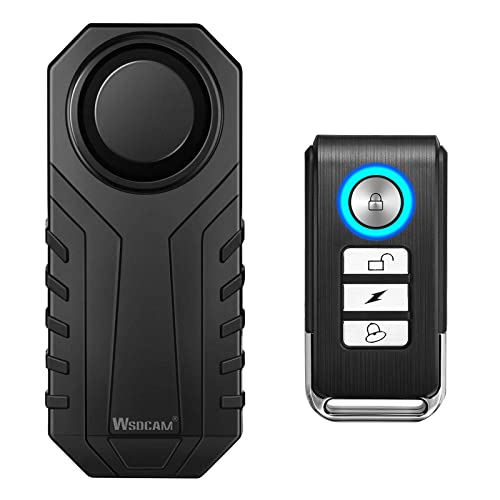
- 113dB siren with adjustable sensitivity and volume
- Wireless remote range up to 66 feet
- IP55 waterproof design with bike-locator function
Best For: Tourers wanting flexible, affordable motion protection
Best Rechargeable Alarm

- USB-C charging with one-to-three-month stated daily runtime
- 229-foot maximum remote range
- IP65 protection and sturdy nylon mounting bracket
Best For: Frequent tourers prioritizing rechargeable power and flexible mounting
Best Feature-Rich Alarm
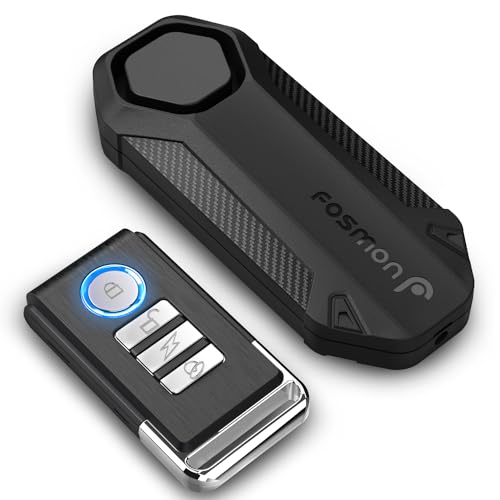
- 113dB alarm with seven sensitivity settings
- SOS alert for tilts beyond 45 degrees
- IP65 protection and 230-foot stated range
Best For: Tourers wanting theft detection plus an SOS function
Best Compact Horn Alarm
Waterproof USB-Rechargeable Bike Alarm

- 780mAh battery with 20-to-30-day stated usage
- Water-resistant aluminum-alloy construction
- Handlebar mount with locator bell and three sensitivity levels
Best For: Tourers wanting a simple rechargeable handlebar alarm
Best Long-Range Touring Alarm

- 110dB siren with up to 30-second alert
- Seven sensitivity modes and remote control
- IP65 weather resistance with 1–3-month battery claim
Best For: Extended tours needing remote operation and flexible settings
Best Secure-Mount Touring Alarm
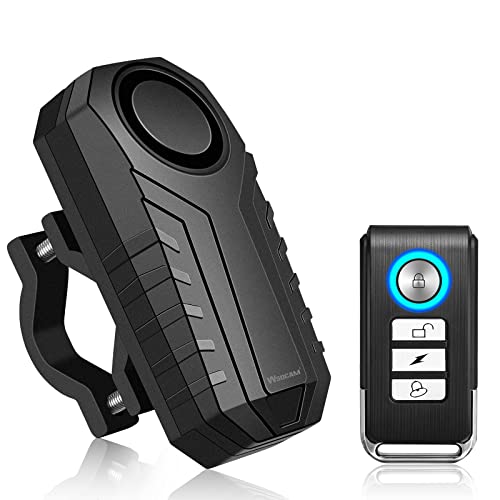
- 113dB alarm with adjustable volume and sensitivity
- Included bracket has an adjustable ring size
- IP55 waterproofing and 66-foot remote range
Best For: Tourers wanting a stable, repositionable mounting system
Best Fall-Alert Touring Alarm
WSDCAM Rechargeable 113dB Alarm

- Fall detection activates beyond a 45-degree deviation
- Type-C rechargeable battery with extended standby claim
- IP65 housing and concealed installation options
Best For: Outdoor touring riders wanting theft and fall alerts
Two-Alarm Touring Security

- Two alarm units for broader coverage
- 113dB siren with adjustable volume
- Seven sensitivity levels and remote control
Best For: Tourers securing two bikes or multiple items
Compact Rechargeable Alert
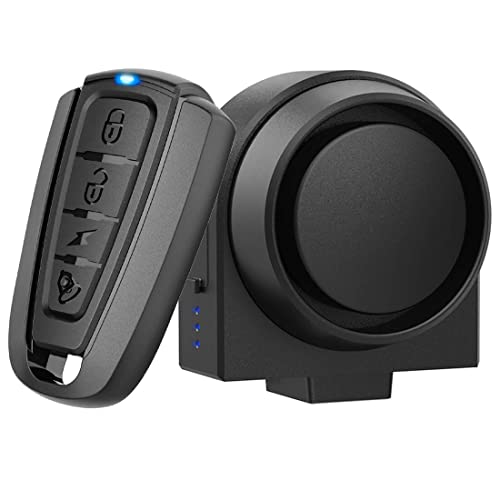
- 115dB siren with adjustable volume
- USB-C rechargeable battery
- IPX5 water resistance and remote functions
Best For: Tourers wanting simple rechargeable protection
Long-Range Rechargeable Guard

- Remote range listed up to 260 feet
- 700mAh USB-C rechargeable battery
- Three mounting methods and seven sensitivities
Best For: Tourers monitoring bikes from a distance
Best Value Alarm – Wsdcam 113dB Wireless Bike Alarm
Wsdcam 113dB Bike Alarm Wireless Vibration Motion Sensor Waterproof Motorcycle Alarm with Remote
Check Price On AmazonFor riders comparing bike alarms for touring, the Wsdcam offers adjustable vibration protection, a wireless remote, and a weather-resistant design. Its 113dB siren and vehicle-search function make it useful when securing a bike at stops or locating it in a busy parking area.
Best For: Tourers seeking a versatile, budget-friendly alarm for bikes, e-bikes, scooters, or motorcycles.
Pros:
- Seven sensitivity levels and three volume levels allow setup for different environments.
- 113dB alarm and wireless remote with a stated range of up to 66 feet.
- IP55 waterproof rating and vehicle-search function with three bell sounds.
Cons:
- The stated remote range is shorter than some competing models in this roundup.
- Supplied notes do not specify a rechargeable battery or battery runtime.
The Wsdcam is a straightforward choice for touring setups that need adjustable motion detection and a loud deterrent without a complicated installation approach. Its IP55 rating is useful for everyday outdoor exposure, though riders should still position it carefully during heavy rain.
Best Rechargeable Alarm – Cruxer 110dB Bike Alarm
The Cruxer is a strong option for bike alarms for touring when rechargeable power and flexible mounting matter. It combines a 3D displacement sensor, USB-C charging, a nylon seatpost bracket, and a long stated remote range.
Best For: Frequent touring riders who want rechargeable operation, multiple mounting options, and extended remote reach.
Pros:
- USB-C rechargeable 700mAh battery is rated for one to three months of daily use.
- Seven sensitivity settings, three volume levels, and three ringtones provide useful customization.
- IP65 protection, nylon bracket, silicone backing plates, and up to 229 feet of remote range.
Cons:
- The supplied details list 110dB in the product title but 100dB in the specifications.
- Battery life depends on usage and may require charging during extended trips.
With its rechargeable battery and adaptable installation methods, the Cruxer is particularly practical for riders who move the alarm between bikes or want a clean seatpost installation. Its IP65 rating also gives it stronger stated water protection than the Wsdcam.
Best Feature-Rich Alarm – Fosmon 113dB Bike Alarm
For bike alarms for touring that need more than a basic theft siren, the Fosmon adds vibration and movement detection to an SOS feature. Its adjustable settings, multiple mounting methods, and limited lifetime warranty make it a versatile choice for touring bikes and other gear.
Best For: Riders who want a loud alarm with an accident-alert function and broad multi-purpose use.
Pros:
- 113dB siren with seven sensitivity levels and three volume levels.
- SOS function sounds when the vehicle tilts more than 45 degrees from its original position.
- IP65 waterproof design, up to 230 feet of stated range, and support for up to eight remotes.
- Can also be used for luggage, trailers, fences, and other equipment.
Cons:
- Supplied notes do not identify the battery type or charging method.
- The SOS feature may be unnecessary for riders seeking only theft protection.
The Fosmon stands out when touring security includes a desire for an SOS-style alert. It is also convenient for households or travelers who want one alarm that can protect bikes, luggage, trailers, and other items.
Best Compact Horn Alarm – Waterproof USB-Rechargeable Bike Alarm
This aluminum-alloy horn alarm is a simple option among bike alarms for touring, especially for riders who prefer USB charging and handlebar mounting. It provides touch or push activation, a bike-locator bell, adjustable sensitivity, and a stated 20-to-30-day usage period.
Best For: Riders seeking a rechargeable handlebar-mounted alarm with a simple locator function.
Pros:
- 780mAh lithium battery provides a stated 20-to-30-day usage period.
- USB rechargeable, with a five-to-six-hour full-charge time.
- Aluminum-alloy construction, water-resistant design, and included mounting hardware.
- One-click bell helps locate a bike, while three sensitivity levels allow basic adjustment.
Cons:
- The alarm is rated at over 70dB, substantially lower than the other listed alarms.
- Only three sensitivity levels are provided.
- The supplied notes do not state a remote-control range.
The main appeal here is convenience: it is rechargeable, designed for handlebar mounting, and includes a practical locator bell. Its lower stated volume may suit riders wanting a less aggressive alert, but those prioritizing maximum deterrence may prefer a louder alternative.
Best Long-Range Touring Alarm – Rechargeable 110dB Bike Alarm
For riders comparing bike alarms for touring, this rechargeable model combines a loud 110dB siren with remote control, adjustable sensitivity, and weather-resistant construction. Its long stated battery life and flexible mounting options make it practical for extended trips.
Best For: Touring cyclists who want customizable protection, remote operation, and fewer charging stops.
Pros:
- 110dB alarm can sound for up to 30 seconds.
- Seven sensitivity modes and three volume levels allow setup for different environments.
- Remote range reaches up to 100m and includes vehicle-locator tones.
- Rechargeable battery supports a stated 1–3 months per charge; IP65 weather resistance adds outdoor protection.
Cons:
- Must be charged to activate before first use.
- The remote adds another item to carry while touring.
- Mounting is versatile, but adhesive or zip-tie installation may not be as secure as a dedicated lock.
This is a feature-rich choice for touring routes where remote control, long battery intervals, and customizable sensitivity matter. Pair it with a physical lock for more complete security.
Best Secure-Mount Touring Alarm – WSDCAM 113dB Bike Alarm
Among bike alarms for touring, the WSDCAM stands out for its included mounting bracket and adjustable ring size. It delivers a 113dB alert, configurable vibration sensitivity, and remote controls suited to outdoor parking stops.
Best For: Touring riders who prioritize a stable bracket mount and straightforward remote-controlled alerts.
Pros:
- 113dB alarm is designed to deter tampering effectively.
- Seven sensitivity levels and three volume levels support different parking environments.
- Adjustable mounting bracket is designed to stay securely attached and can be repositioned.
- IP55 waterproofing, vehicle search, and a 66-foot wireless range add practical touring features.
Cons:
- Its 66-foot range is shorter than some competing remote alarms.
- The notes do not specify rechargeable power or battery runtime.
- IP55 protection may offer less weather resistance than higher-rated alternatives.
The included bracket is the main advantage for riders who want a more secure-looking installation without relying on adhesive alone. Its moderate remote range works best when parking near your campsite, lodging, or rest stop.
Best Fall-Alert Touring Alarm – WSDCAM Rechargeable 113dB Alarm
This WSDCAM model is a versatile option for bike alarms for touring, adding fall detection to standard vibration-based theft alerts. It also offers Type-C charging, a compact concealed design, and IP65 protection for outdoor riding.
Best For: Touring and outdoor riders who want theft alerts plus a fall-triggered warning feature.
Pros:
- 113dB alarm uses seven adjustable sensitivity levels to detect vibration.
- Fall alarm can respond when the vehicle deviates more than 45 degrees.
- Type-C rechargeable 700mAh battery is stated to last up to three months daily and 6–11 months on standby.
- IP65 housing, 66-foot remote range, and concealed strap or adhesive installation suit outdoor use.
Cons:
- The fall-alert behavior may require careful positioning and sensitivity adjustment.
- Remote range is limited to 66 feet.
- The supplied notes do not specify charging time.
For riders who value an extra alert beyond theft detection, the fall-alarm function gives this model a distinctive edge. Its Type-C charging and compact installation also make it convenient for longer rides with varied parking conditions.
Two-Alarm Touring Security – WSDCAM Bike Alarm 2 Pack
For riders comparing bike alarms for touring, this WSDCAM two-pack offers adjustable vibration sensitivity, a remote control, and a loud 113dB siren. Its two-alarm setup can be useful when securing more than one bike or adding coverage to separate items at a touring stop.
Best For: Touring riders who want two alarms and flexible sensitivity and volume settings.
Pros:
- Includes two alarm units for broader coverage.
- 113dB alarm with three adjustable volume levels.
- Seven sensitivity settings help tailor triggers from a gentle touch to heavier handling.
- Remote control works up to 66 feet and includes a vehicle-search function.
Cons:
- Uses an IP55 waterproof rating, so it offers less stated water protection than some alternatives here.
- The supplied notes do not specify a rechargeable battery.
This is a practical choice when two alarms matter more than maximum remote range. The combination of adjustable settings, remote operation, and multiple installation options makes it adaptable for bikes, scooters, luggage, and other touring gear.
Compact Rechargeable Alert – PADONOW Wireless Bike Alarm
For bike alarms for touring, the PADONOW combines a 115dB siren with a built-in rechargeable battery and wireless remote. Its three sensitivity levels let you balance responsiveness with the risk of nuisance triggers while parked.
Best For: Touring cyclists who prefer USB-C charging and a compact, multipurpose alarm.
Pros:
- 115dB siren with three adjustable volume levels.
- USB-C rechargeable 400mAh battery is stated to last up to three months on standby.
- Three sensitivity settings allow adjustment for different parking situations.
- IPX5 water resistance, vehicle search, panic alarm, and remote horn functions add flexibility.
Cons:
- Remote range is listed at 20 meters, shorter than the longest-range option here.
- Only one alarm unit is included.
The PADONOW is a straightforward option for travelers who want rechargeable power without carrying replacement batteries. Its loud siren and useful remote functions suit everyday stops, while the single-unit package is best for one primary bike or vehicle.
Long-Range Rechargeable Guard – WSDCAM USB Bike Alarm
Among bike alarms for touring, this WSDCAM model stands out for its stated 260-foot remote range, rechargeable 700mAh battery, and three installation methods. It is designed for riders who may need to monitor a parked bike from a greater distance at a campsite, lodging, or parking area.
Best For: Touring riders who prioritize long remote range, rechargeable power, and flexible mounting.
Pros:
- Remote range is listed at up to 260 feet, with vehicle-search functionality.
- USB-C rechargeable 700mAh lithium battery can run about one to three months depending on alarm frequency.
- Mounting bracket, cable ties, and double-sided tape support three installation methods.
- 110dB alarm with three volume levels and seven sensitivity settings.
Cons:
- Battery life varies substantially with alarm frequency.
- It is a single-alarm package.
This model is a strong fit when remote reach is a priority. The charging indicator, low-battery indicator, and adaptable mounting options are particularly useful for longer trips, while IP65 protection supports outdoor use without making the unit impervious to every condition.
How We Picked the Best Bike Alarms for Touring
We focused on features that matter during multi-day rides and extended stops: siren volume, vibration and motion detection, weather resistance, rechargeable power, mounting flexibility, remote-control range, and ease of use. The list includes several similar-looking alarms, but small differences in sensitivity adjustment, charging, brackets, and included remotes can significantly affect convenience on tour.
Because an alarm is a deterrent rather than a complete security system, we favored models that can supplement a strong U-lock, chain, or cable. A compact alarm is most useful when it is easy to arm consistently and can tolerate changing weather and repeated handling.
Quick Comparison
| Feature | What to look for | Why it matters on tour |
|---|---|---|
| Siren volume | 110–115 dB claims | Helps attract attention when someone disturbs the bike |
| Power | USB or USB-C rechargeable battery | Can be topped up from a power bank or travel charger |
| Weather resistance | IP65 or similar protection | Better suited to rain, spray, and outdoor storage |
| Controls | Remote arming and disarming | Lets you operate the alarm without reaching the sensor |
| Sensitivity | Multiple adjustment levels | Reduces false alarms from light contact or windy conditions |
Key Buying Factors for Bike Alarms for Touring
Sound and Detection
Higher advertised decibel ratings may be useful in busy outdoor areas, but placement and surroundings affect how well a siren is heard. Look for vibration or motion detection with adjustable sensitivity so the alarm responds to tampering without triggering constantly from minor bumps.
Battery and Charging
Rechargeable models simplify travel, especially when they use USB-C or standard USB charging. Check expected runtime, charging indicators, and whether the remote uses a separate coin cell. Carrying a small power bank is worthwhile on longer routes.
Mounting and Weather Protection
A secure bracket or adhesive-backed mount makes installation easier, while a removable design can help prevent theft of the alarm itself. Water resistance is important, but avoid assuming any rating makes a device suitable for prolonged immersion. Mount the unit where rain runoff and road spray are limited.
Remote Range and Operation
Remote controls are convenient when the bike is parked nearby, but published range can vary with walls, vehicles, and interference. Choose an alarm with simple arm, disarm, and panic functions that you can operate reliably while wearing gloves.
Who Should Buy Which Bike Alarms for Touring?
Choose a loud, weather-resistant alarm with a remote if you frequently stop in public places or leave your touring bike outside lodging. A USB-C rechargeable model is the most convenient choice for riders carrying modern travel chargers. If false alarms are a concern, prioritize adjustable sensitivity. Riders traveling with multiple bikes may prefer a two-pack, while e-bike owners should confirm that the alarm’s mounting position, vibration response, and battery routine suit the heavier frame and accessories.
Whichever model you choose, pair it with a physical lock and secure the frame to an immovable object. Test the alarm before departure, recharge it regularly, and keep the remote protected from rain and accidental button presses.