The right cycling jacket can make cold, wet, and windy rides far more comfortable. This roundup covers insulated winter layers, lightweight windbreakers, waterproof rain shells, and versatile jackets for commuting, training, and trail riding.
Use the buying guide below to compare warmth, weather protection, fit, visibility, storage, and packability before choosing the best match for your riding conditions.
Best 10 Cycling Jackets Picks for 2026
Airflow Essential
ROCKBROS Lightweight Cycling Windbreaker
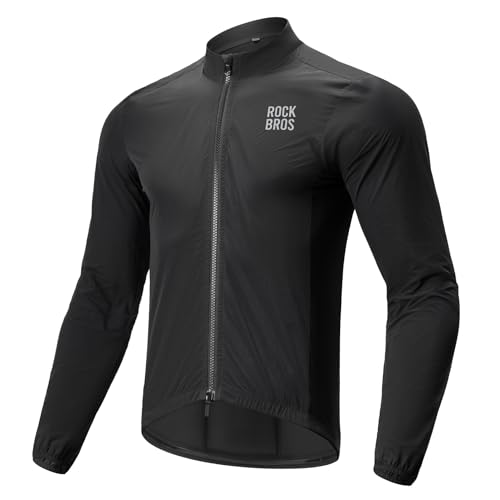
- Breathable mesh ventilation panels
- Lightweight and packable design
- Reflective details and rear storage pocket
Best For: Mild-weather rides and portable wind protection
Cold-Route Utility
baleaf Thermal Softshell Cycling Jacket

- Fleece-lined three-layer softshell
- Four zippered utility pockets
- Reflective details, vents, and drop-tail hem
Best For: Cold winter rides requiring warmth and storage
Rain-Ready Layer
baleaf Lightweight Packable Rain Jacket

- 5000mm waterproof TPU membrane
- Packs into its own back pocket
- Reflective details with hood and ventilation
Best For: Wet-weather cycling and portable rain protection
Packable Rain Protection

- 5000 mm waterproof TPU membrane
- Underarm zips and back vents
- Packs into its rear pocket
Best For: Wet-weather cycling and travel
Thermal Softshell Comfort
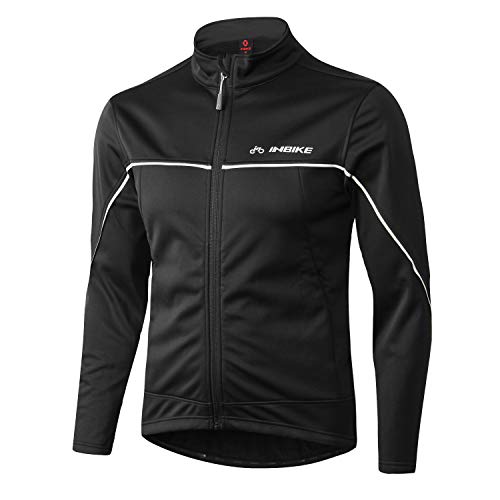
- Two-sided polar fleece lining
- Windproof and water-resistant softshell
- Stand-up collar with chin flap
Best For: Cold-weather cycling and outdoor training
Reliable Winter Layer
ROCKBROS Men's Thermal Cycling Jacket

- Warm fleece and windproof construction
- Breathable openings help manage heat
- Reflective details and multiple pockets
Best For: Cold-weather rides and outdoor activities
Weather-Ready Hooded Pick
INBIKE Men's Thermal Cycling Jacket
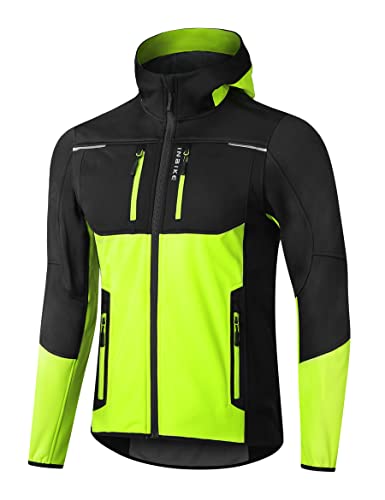
- Water-resistant and windproof polyester shell
- Velvet lining, hood, and high collar
- Four roomy zippered pockets
Best For: Cold, windy rides and outdoor exercise
High-Capacity Winter Choice
Bikewa Men's Thermal Cycling Jacket

- Three-layer warm and windproof construction
- Eight pockets for winter riding essentials
- Underarm vents and reflective details
Best For: Long winter rides and gear-heavy outings
Winter Shield – ARSUXEO Thermal Softshell Cycling Jacket
For cold-weather rides, this cycling jacket combines a wind-resistant outer layer, waterproof membrane, and fleece lining. Its drop tail, extended cuffs, reflective accents, and stretch inserts support warmth, coverage, and movement, while the revised sizing makes checking the size chart especially important.
Best For: Winter cycling in cold, wet, and windy conditions.
Pros:
- Three-layer construction balances weather protection, breathability, and warmth.
- Drop tail, elastic hem, and extended cuffs help block cold air and road spray.
- Reflective details and two pockets add practical commuting features.
Cons:
- Stretch inserts are not windproof or waterproof.
- The jacket is medium weight rather than especially packable.
- Updated sizing means the size chart should be checked before ordering.
This is a substantial winter option for riders who prioritize insulation and coverage over minimal weight. It suits cold-weather routes particularly well, though its layered construction may be more than needed for mild conditions.
Airflow Essential – ROCKBROS Lightweight Cycling Windbreaker
This lightweight cycling jacket is designed for mild-weather rides where airflow and portability matter. Large mesh panels help release heat, while the slim fit, anti-slip hem, reflective details, and packable nylon-polyester construction make it suitable for road cycling and other outdoor activities.
Best For: Mild-weather cycling, running, and riders who want a packable windbreaker.
Pros:
- Large-area mesh panels improve ventilation during active rides.
- Lightweight design folds easily into a gear bag.
- Reflective back and shoulder details support low-light visibility.
- Double-way zipper allows flexible ventilation and layering.
Cons:
- It is not water resistant.
- The fabric has no stretch, so sizing is important.
- Its intended weather range is mild, approximately 64°F–86°F.
Choose this jacket when breathability and easy storage are more important than rain protection. It works well as a lightweight wind layer, but riders expecting waterproof coverage should consider a different option.
Cold-Route Utility – baleaf Thermal Softshell Cycling Jacket
Built for cold-weather cycling, this baleaf jacket uses a windproof outer surface, breathable membrane, and warm fleece layer. Four utility pockets, chest vents, reflective accents, a high collar, and a drop-tail hem make it a practical choice for winter rides and other outdoor activities.
Best For: Winter cycling in temperatures around 20°F–50°F.
Pros:
- Three-layer softshell construction provides warmth and wind protection.
- Four pockets accommodate valuables and extra cold-weather gear.
- Chest vents and reflective elements improve ventilation and visibility.
- Silicone gripper and drop-tail hem help keep the jacket positioned.
Cons:
- Medium-weight insulation may feel too warm for mild rides.
- Its regular fit may require layering and careful size selection.
- The feature-rich design is less minimal than a lightweight shell.
This jacket is a strong utility-focused choice for riders who need insulation, storage, and visibility on winter routes. Its fleece lining and four-pocket layout favor prepared cold-weather outings rather than fast, minimalist rides.
Rain-Ready Layer – baleaf Lightweight Packable Rain Jacket
This lightweight cycling jacket is built for wet-weather coverage, with a TPU membrane, 5000mm waterproofing, 3000g/m²/24hr breathability, and back ventilation. It packs into its own back pocket and adds a hood, adjustable hem, reflective details, and multiple zippered pockets for versatile rainy-day use.
Best For: Rainy rides, commuting, travel, and outdoor activities where packability matters.
Pros:
- Waterproof construction provides substantial rain protection.
- Back ventilation and breathable membrane help manage moisture.
- Self-packing design is convenient for travel and changing forecasts.
- Reflective accents, hood, and adjustable cuffs improve practical coverage.
Cons:
- Low stretch may limit mobility compared with stretch cycling jackets.
- The hooded, regular fit is less streamlined for performance cycling.
- It is a rain shell, not a fleece-insulated winter jacket.
For riders who want a dependable emergency layer, this jacket offers a useful mix of waterproofing, storage, and visibility. Its lightweight shell design makes it easy to carry, though cold-weather riders may need an additional insulating layer.
Warm Fleece Windbreaker – Winter Cycling Jacket
For cool-weather rides, this cycling jacket combines a brushed fleece interior with wind protection, light water resistance, and useful storage. Its ventilation panels and reflective details make it practical for cycling, running, and other outdoor activities in mild winter conditions.
Best For: Riders seeking a warm jacket for approximately 45°F–70°F conditions and light rain.
Pros:
- Soft brushed fleece lining helps retain body heat.
- Underarm and back ventilation helps manage moisture and perspiration.
- Reflective branding and a rear stripe improve low-light visibility.
- Chest and rear zippered pockets provide space for essentials.
Cons:
- Designed for light rain, not moderate or heavy rainfall.
- The cycling-specific cut may require sizing up over a thick jersey.
- Hand wash care may be less convenient.
This is a practical choice when warmth and storage matter more than maximum rain protection. The fleece lining, elastic cuffs, high collar, and draft flap are useful for chilly rides, while the ventilation and reflective accents add everyday versatility.
Packable Rain Protection – Waterproof Cycling Jacket
This cycling jacket is built for wet, windy conditions while staying lightweight and packable. Its waterproof membrane, ventilation zips, reflective elements, hood, and multiple pockets make it a versatile outer layer for commuting and outdoor training.
Best For: Cyclists who want lightweight waterproof coverage for rain, travel, and changing conditions.
Pros:
- 5000 mm waterproof rating and DWR finish provide rain and wind protection.
- Underarm zips and back vents help release heat during activity.
- Reflective details on the front, back, and hood improve visibility.
- Lightweight fabric packs into the rear pocket for easier storage.
Cons:
- The fabric has no stretch.
- Its mild-weather design may not provide substantial warmth on cold rides.
- The hood may be less convenient under some cycling helmets.
Choose this model when packability and rain protection are priorities. It offers more dedicated wet-weather features than a fleece-lined jacket, while the vents help offset the heat buildup common with waterproof layers.
Thermal Softshell Comfort – Fleece Cycling Jacket
INBIKE Men's Cycling Jacket, Winter Fleece Thermal Windproof Soft Shell Wind Coat Black Large
Check Price On AmazonThis fleece cycling jacket offers a softshell outer layer with wind and water resistance for cold-weather activities. Its two-sided polar fleece lining, stand-up collar, chin flap, and athletic cut support warmth and comfortable movement on rides or runs.
Best For: Outdoor athletes wanting a warm, windproof layer for cold-weather cycling and training.
Pros:
- Two-sided polar fleece lining provides warmth and a soft feel.
- Performance fabric is designed to resist wind and water while remaining breathable.
- Stand-up collar and chin flap help retain heat and reduce zipper chafing.
- 3D-cut comfort fit allows movement across cycling and other sports.
Cons:
- Only two pockets are listed for carrying essentials.
- The fabric has no stretch.
- It is better suited to cold conditions than warm-weather riding.
This jacket is a strong fit for riders who prioritize insulation and wind protection. The fleece lining and high collar make it suitable for cold conditions, while the breathable pocket mesh and performance fabric help keep it more comfortable during active use.
Reliable Winter Layer – ROCKBROS Men's Thermal Cycling Jacket
If you need cycling jackets for chilly rides, the ROCKBROS thermal fleece model is designed for cold-weather comfort in approximately 20–50°F conditions. Its windproof outer fabric, breathable shoulder and back openings, and water-resistant finish make it a practical choice for winter cycling and other outdoor activities.
Best For: Winter cycling, running, hiking, and outdoor work in cold, changeable weather.
Pros:
- Thermal fleece lining and windproof fabric help retain warmth.
- Breathable openings on the shoulders and back help release heat.
- Reflective details improve visibility during night rides.
- Three zippered front pockets and a large rear pocket provide useful storage.
Cons:
- Water resistant rather than intended for heavy or prolonged rain.
- Hand-wash care may be less convenient than machine washing.
Choose this jacket when warmth, visibility, and practical pocket space matter more than full rain protection. Its relaxed, straight fit also makes it a versatile cold-weather outer layer.
Weather-Ready Hooded Pick – INBIKE Men's Thermal Cycling Jacket
Among cycling jackets for windy, damp conditions, this INBIKE hooded windbreaker emphasizes coverage and storage. Its water-resistant polyester shell, thickened velvet lining, high collar, and integrated hood help shield you from cold wind during rides and outdoor exercise.
Best For: Cold-weather cycling, running, hiking, camping, and other outdoor activities where hooded protection is useful.
Pros:
- Windproof, water-resistant shell helps resist wind and light rain.
- Thickened velvet lining adds warmth close to the skin.
- High collar and non-detachable hood provide extra head and neck coverage.
- Four large zippered pockets offer convenient storage with rain-resistant YKK zippers.
Cons:
- The hood is not detachable.
- Its fitted design makes careful size-chart checking important.
- Hand-wash care may require more maintenance.
This is a strong option if you prefer a close-fitting jacket with built-in hood coverage and generous storage. Reflective branding and a back stripe add visibility in low-light conditions.
High-Capacity Winter Choice – Bikewa Men's Thermal Cycling Jacket
For cyclists who carry plenty of gear, the Bikewa is one of the more storage-focused cycling jackets in this roundup. Its three-layer construction combines a windproof outer surface, breathable membrane, and fleece layer, while underarm vents help release excess heat during active rides.
Best For: Winter cycling, mountain biking, running, hiking, cross-country skiing, and bicycle touring.
Pros:
- Three-layer design balances wind protection, breathability, and warmth.
- Eight utility pockets accommodate phones, wallets, gloves, bottles, and other gear.
- Underarm zip vents help manage sweat heat during activity.
- High collar, silicone waist grip, and reflective elements support cold-weather riding.
Cons:
- The fabric has no stretch, which may feel less flexible for some riders.
- Its medium-weight, long-length design may be more coverage than needed for mild conditions.
This jacket stands out for riders who want extensive storage and adjustable ventilation in a winter layer. The water-repellent outer treatment and insulated construction make it especially suited to cold, unsettled conditions.
How We Picked These Cycling Jackets
We selected these 10 Cycling Jackets by comparing their intended use, insulation, weather resistance, breathability, fit, visibility features, storage, and portability. The list includes thermal softshells for cold-weather rides, lightweight jackets for changing conditions, and hooded rain shells for commuters and recreational riders.
Because no single jacket suits every climate, we focused on matching each design to a clear use case rather than treating every model as an all-season solution. Product descriptions and listed features were weighed alongside practical considerations such as layering room, packability, and protection from wind and rain.
Quick Comparison
| Riding need | Look for | Best jacket type |
|---|---|---|
| Cold winter rides | Thermal lining, wind resistance, and a close but comfortable fit | Fleece-lined softshell |
| Rainy commutes | Waterproof fabric, hood coverage, and reflective details | Packable rain jacket |
| High-output training | Lightweight construction and breathable panels | Breathable windbreaker |
| Mixed weather | Water resistance, layering room, and easy storage | Versatile shell |
Key Buying Factors for Cycling Jackets
Warmth and Layering
For winter riding, prioritize a thermal or fleece lining and enough room for a base layer without creating excessive bulk. A softshell usually offers a useful balance of insulation, flexibility, and wind protection. In milder conditions, a lightly lined or uninsulated jacket is less likely to cause overheating.
Water and Wind Protection
Water-resistant jackets can handle light showers, while waterproof shells are better for sustained rain. Check whether the design includes sealed or protected openings, a storm flap, adjustable cuffs, and a hood that works with your helmet. Windproof fabric is especially valuable on descents and exposed roads.
Breathability and Fit
A close cycling fit reduces flapping, but a relaxed cut may be more practical for commuting or casual riding. Breathability matters during climbs and intense efforts, so look for ventilation features or lighter materials if you ride at high intensity. Consider your usual layers before selecting a size.
Visibility, Storage, and Packability
Reflective accents can improve visibility in low light, although they do not replace front and rear lights. Zipped pockets are useful for a phone, keys, or nutrition. If conditions change frequently, choose a lightweight jacket that compresses easily into a bag or jersey pocket.
Who Should Buy Which Cycling Jackets?
Choose a fleece-lined thermal softshell if your priority is warmth for cold morning rides. A lightweight breathable jacket is better for spring, fall, running, or high-effort cycling where overheating is a concern. Commuters who regularly face showers should favor a waterproof, hooded, reflective shell with practical pockets.
For riders who want one adaptable layer, select a jacket with moderate insulation, wind resistance, water resistance, and enough room for layering. If you ride mostly in dry weather, avoid paying for heavy waterproof construction and focus instead on comfort, breathability, and fit. Finally, riders in low-light conditions should give extra weight to reflective detailing and use the jacket as part of a broader visibility setup.