Gravel riding can take you from exposed roads to muddy forest tracks, often with changing wind, rain, and temperatures. The right jacket adds weather protection without making long climbs feel bulky or restrictive.
We selected 10 cycling jackets for gravel riding across winter insulation, softshell comfort, rain protection, packability, and everyday value. Use the guide below to match each style to your routes, climate, and riding layers.
Best 10 Cycling Jacket for Gravel Riding Picks for 2026
Cold-Weather Utility Pick
Baleaf Winter Softshell Jacket

- Three-layer fleece-lined construction
- Chest vents and four utility pockets
- Reflective details and drop-tail hem
Best For: Cold winter gravel rides needing warmth, storage, and visibility
Windproof Performance Pick

- WINDSTOPPER windproof technology
- Fleece-like lining with extended rear
- Three-compartment splash-protected pocket
Best For: Fast cool-weather gravel rides with a slim cycling fit
Lightweight Emergency Layer
Castelli Squadra Stretch Jacket
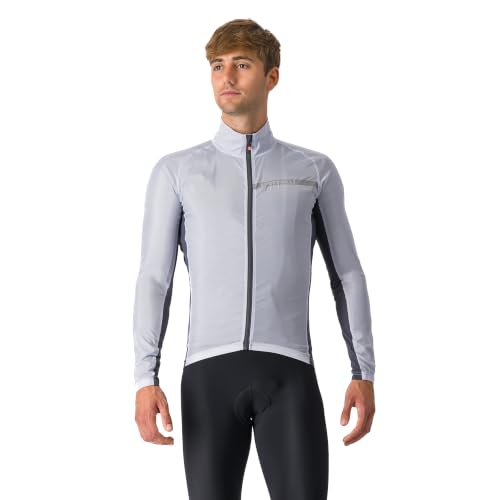
- Lightweight coated ripstop nylon shell
- Stretch side and sleeve panels
- Reflective details and high collar
Best For: Cool rides and commutes needing a lightweight wind layer
Cold-Weather Gravel Shield
Thermal Windproof Cycling Jacket
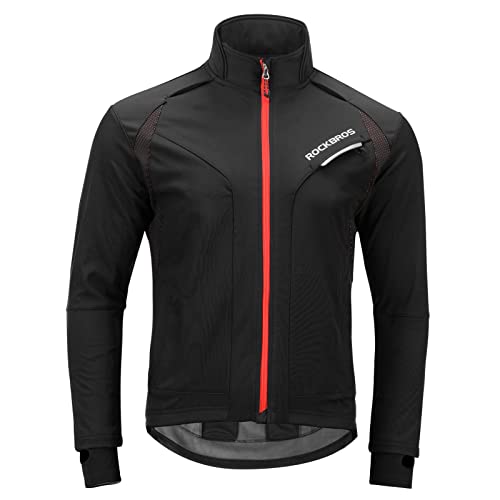
- Fleece-lined for fall and winter warmth
- Extended rear hem helps block wind
- Reflective details and multiple pockets
Best For: Cold-weather gravel rides and outdoor activities
Rain-Ready Gravel Layer
Lightweight Packable Bike Rain Jacket

- 5000mm waterproof and windproof protection
- Packs into its back pocket
- Vents and reflective elements support riding comfort and visibility
Best For: Wet-weather gravel rides and packable coverage
Fleece-Fit Gravel Comfort

- Brushed fleece interior for warmth
- Ventilated underarm and back panels
- Reflective details and three storage pockets
Best For: Cool-weather gravel rides and light rain
Cold-Weather Softshell Pick
BERGRISAR Thermal Cycling Jacket

- Three-layer fleece-lined softshell blocks wind and light rain
- Stretch panels improve mobility and ventilation
- Four ride pockets plus reflective details
Best For: Winter gravel rides and cold-weather commuting
High-Visibility Winter Pick
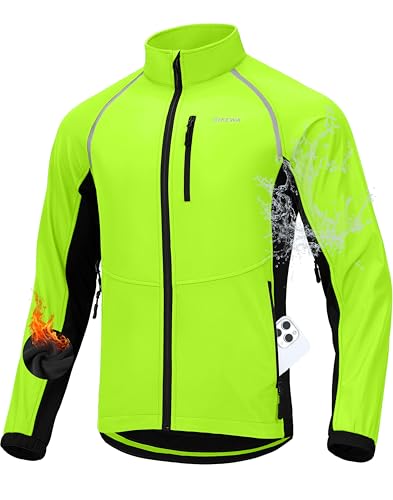
- Eight pockets provide generous storage
- Fleece lining and windproof shell suit winter riding
- Fluorescent color and reflective details aid visibility
Best For: Winter gravel rides, touring, and low-light conditions
Relaxed-Fit Value Pick
ROCKBROS Winter Cycling Jacket

- Full fleece lining targets 20°F to 50°F conditions
- Relaxed fit allows freedom of movement
- Reflective details and light-rain water resistance
Best For: Roomier winter gravel riding and commuting
Cold-Weather Utility Pick – Baleaf Winter Softshell Jacket
If you need a cycling jacket for gravel riding in genuinely cold conditions, this Baleaf softshell emphasizes warmth, wind protection, and practical storage. Its three-layer construction combines a windproof exterior, breathable membrane, and fleece lining, while the drop-tail hem helps protect against road spray.
Best For: Winter gravel rides in roughly 20–50°F weather, especially when visibility and carrying capacity matter.
Pros:
- Three-layer design provides wind protection, breathable coverage, and fleece warmth.
- Two zippered chest vents help release heat during harder efforts.
- Reflective details and four utility pockets improve visibility and storage.
- Drop-tail hem and silicone gripper help shield against spray and keep the jacket in place.
Cons:
- Its insulated, medium-weight construction may be too warm for mild rides.
- The fitted cut may require careful layering and sizing.
This is a strong cold-weather option when a gravel route calls for substantial insulation, weather protection, and room for gloves or other small essentials.
Windproof Performance Pick – GOREWEAR C3 Thermo Jacket
For a cycling jacket for gravel riding that prioritizes wind protection without a bulky feel, the GOREWEAR C3 GORE-TEX INFINIUM Thermo Jacket offers a slim cycling-specific cut. WINDSTOPPER technology, a fleece-like lining, and a splash-protected rear compartment suit cool, changeable conditions.
Best For: Fast-paced gravel rides in cool or cold weather when a close fit and wind protection are priorities.
Pros:
- GORE-TEX INFINIUM with WINDSTOPPER technology is windproof, highly water-resistant, and breathable.
- Fleece lining helps retain heat without a heavy construction.
- Extended rear length provides added coverage in the riding position.
- Three-compartment back pocket offers cycling-focused storage with splash protection.
Cons:
- Slim fit may feel restrictive over thicker layers.
- It is water-resistant rather than described as fully waterproof.
This jacket fits riders who want a streamlined, performance-oriented layer for windy gravel routes and cool-weather training.
Stretchy Winter Value Pick – ARSUXEO Thermal Softshell Jacket
The ARSUXEO is a practical cycling jacket for gravel riding when you want winter warmth, flexible movement, and broad weather coverage. Its three-layer design combines a moisture-repelling outer surface, waterproof membrane, and fleece interior, with stretch inserts intended to improve mobility.
Best For: Winter gravel riders seeking a flexible, warmer jacket with basic storage and reflective visibility.
Pros:
- Three protective layers combine wind resistance, a waterproof membrane, and fleece warmth.
- High stretch fabric and stretch inserts support mobility on the bike.
- Extended cuffs, drop tail, and elastic hem help block cold air.
- Reflective accents and a zippered pocket add useful commuting and night-riding features.
Cons:
- There are only two pockets.
- Stretch inserts are specifically noted as not windproof or waterproof.
- Updated sizing means checking the revised size chart is especially important.
Choose this model if freedom of movement and winter coverage matter more than extensive pocket space or a highly streamlined fit.
Lightweight Emergency Layer – Castelli Squadra Stretch Jacket
For riders who want a cycling jacket for gravel riding that packs down as a lightweight wind layer, the Castelli Squadra Stretch Jacket uses coated ripstop nylon across the main panels and stretch inserts at the sides and sleeves. It is designed for cool-weather rides, daily commutes, and emergency layering.
Best For: Cool-weather gravel rides and commutes where low weight, wind resistance, and packable backup coverage are useful.
Pros:
- Lightweight 0.1 kg construction makes it suitable as an emergency layer.
- Wind-resistant coated ripstop nylon helps block drafts.
- Stretch panels on the sides and sleeves support a close, flexible fit.
- High collar and reflective details add practical riding features.
Cons:
- Unlined construction offers less insulation than thermal winter jackets.
- Close-to-body sizing may require sizing up for a less compressive feel.
- Its two-pocket design provides limited storage.
This is the most suitable choice here for riders who need a minimal shell to carry on variable gravel outings rather than a heavily insulated winter jacket.
Cold-Weather Gravel Shield – Thermal Windproof Cycling Jacket
If you need a cycling jacket for gravel riding in fall or winter, the ROCKBROS model emphasizes warmth, wind protection, and storage. Its fleece lining and extended rear hem suit a bent-forward riding position, while ventilation panels help release excess heat.
Best For: Cold-weather gravel rides, commuting, hiking, and other outdoor activities where warmth and wind resistance matter.
Pros:
- Soft polar fleece lining helps retain body heat.
- Windproof, water-resistant outer layer with an extended rear hem.
- Six ventilation holes and side mesh panels support airflow.
- Reflective details and multiple zippered pockets add practical riding utility.
Cons:
- The fit runs slightly small; sizing up may be necessary.
- It is designed for warmth and may feel heavier than a lightweight shell.
This is a practical choice when your gravel route calls for insulation and wind coverage rather than an ultralight rain layer. Pay close attention to the sizing guidance, especially if layering underneath.
Rain-Ready Gravel Layer – Lightweight Packable Bike Rain Jacket
For wet-weather routes, this Bikewa shell is a strong cycling jacket for gravel riding because it combines a 5000mm waterproof rating with a lightweight, packable design. Underarm zips and back vents help manage heat when the pace increases.
Best For: Rainy gravel rides, commuting, running, hiking, and other activities where packability and waterproof protection are priorities.
Pros:
- Waterproof and windproof construction with a 5000mm waterproof rating.
- Lightweight fabric can pack into the back pocket for easier carrying.
- Underarm zips and back vents improve ventilation.
- Reflective elements on the front, back, and hood enhance visibility.
Cons:
- The fabric has no stretch, which may limit freedom of movement for some riders.
- Its mild-weather design provides less insulation than a thermal winter jacket.
This jacket makes sense as a protective outer shell for changeable gravel conditions. Its regular, true-to-size fit and adjustable hem provide a straightforward setup, while the packable design is useful when rain is possible but not guaranteed.
Fleece-Fit Gravel Comfort – Winter Thermal Cycling Jacket
The Przewalski jacket is built for riders seeking a warm cycling jacket for gravel riding in cool conditions. Its brushed fleece interior, high collar, elastic cuffs, and wind-resistant outer layer provide coverage, while underarm and back ventilation help manage moisture.
Best For: Cool-weather gravel rides around 45°F–70°F, running, hiking, and light rain conditions.
Pros:
- Brushed fleece interior helps retain body heat.
- High collar, elastic cuffs, and draft flap help seal out chill.
- Underarm and back ventilation supports moisture management.
- Reflective logo and back stripe improve low-light visibility.
Cons:
- The jacket runs small and may require sizing up for layered wear.
- It is intended for light rain, not moderate or heavy rain.
- Hand-wash care is less convenient than machine washing.
This model is best viewed as a thermal windbreaker with limited rain resistance rather than a dedicated storm shell. It suits cool gravel outings when warmth, storage, and low-light visibility are more important than full wet-weather protection.
Cold-Weather Softshell Pick – BERGRISAR Thermal Cycling Jacket
If you need a cycling jacket for gravel riding in cold, changeable conditions, the BERGRISAR combines a three-layer softshell construction with fleece insulation, stretch panels, and practical storage. It is designed to block wind and handle light rain while allowing comfortable movement.
Best For: Winter gravel rides, commuting, and other outdoor activities in cold weather.
Pros:
- Softshell, waterproof-membrane, and fleece layers provide warmth and wind protection.
- Four-way stretch panels on the back and underarms support mobility and ventilation.
- Three rear pockets and a zippered chest pocket hold ride essentials.
- Reflective details and an extended rear hem add useful riding-focused features.
Cons:
- The back and underarm stretch panels are not waterproof or windproof.
- Hand-wash care may be less convenient than machine washing.
- It is listed as water resistant, so it is better suited to light rain than prolonged wet weather.
This jacket is a balanced choice when warmth, stretch, visibility, and storage matter more than maximum rain protection. Its fleece lining and wind-blocking design make it especially practical for chilly gravel routes.
High-Visibility Winter Pick – Bikewa Thermal Cycling Jacket
For a cycling jacket for gravel riding when visibility and storage are priorities, the Bikewa offers a fluorescent yellow-and-black design, thermal fleece lining, and a water-resistant windproof outer layer. Underarm vents help release excess heat during harder efforts.
Best For: Winter gravel riding, bicycle touring, and low-light outdoor activity.
Pros:
- Three-layer construction combines a windproof exterior, breathable membrane, and warm fleece.
- Eight utility pockets provide extensive storage for valuables, gloves, bottles, and gear.
- Underarm zip vents help manage sweat and heat while riding.
- Reflective elements and the fluorescent color improve low-light visibility.
Cons:
- The fabric is listed as having no stretch, which may feel less flexible during aggressive riding.
- The longer, straight fit may be less streamlined than a close-fitting cycling cut.
- The extensive pocket layout can add bulk compared with a minimalist riding jacket.
The Bikewa stands out for riders who want maximum carrying capacity and strong visibility in winter conditions. Its vents and silicone waist grip add practical details for longer, colder outings.
Relaxed-Fit Value Pick – ROCKBROS Winter Cycling Jacket
The ROCKBROS is a practical cycling jacket for gravel riding when you prefer a relaxed fit and substantial fleece warmth. Its wind-resistant outer fabric, breathable shoulder and back cutouts, and water-repellent finish are aimed at chilly rides and everyday outdoor use.
Best For: Riders wanting a roomier winter layer for temperatures around 20°F to 50°F.
Pros:
- Full fleece lining and a wind-resistant outer help retain warmth in chilly weather.
- Breathable cutouts on the shoulders and back help reduce stuffiness.
- Water-repellent fabric resists light rain, splashes, and morning dew.
- Reflective details surround the jacket, while zippered pockets provide useful storage.
Cons:
- It is not intended for heavy rain or prolonged soaking.
- The relaxed, plus-size-oriented fit may feel loose for riders seeking a close performance cut.
- Its heavyweight construction may be warmer and bulkier than a lightweight shell.
This is a sensible option for casual gravel riding, commuting, and outdoor exercise where warmth and freedom of movement are more important than an aerodynamic fit. The reflective coverage is particularly useful around dawn, dusk, or at night.
How We Picked the Best Cycling Jacket for Gravel Riding
We focused on the features that matter most beyond paved roads: protection from wind and rain, thermal performance, freedom of movement, storage, packability, and fit. The lineup includes insulated winter jackets, stretch softshells, lightweight windbreakers, and waterproof rain layers so you can choose according to the season rather than relying on one jacket for every ride.
We also considered practical details such as full-length zippers, adjustable hems, high collars, reflective elements, pocket layout, and compatibility with cycling layers. For gravel use, durability and comfort are especially important because rough surfaces, extended mileage, and variable weather can expose weaknesses quickly.
Quick Comparison
| Best For | Jacket Type | What to Look For |
|---|---|---|
| Cold winter rides | Thermal softshell | Insulation, wind resistance, and a comfortable athletic fit |
| Wet-weather riding | Rain jacket | Waterproof fabric, sealed construction, and hood or collar coverage |
| Changeable conditions | Lightweight windbreaker | Low weight, packability, and quick ventilation |
| Mixed-surface touring | Relaxed thermal jacket | Layering room, pockets, and all-day comfort |
Key Buying Factors for a Cycling Jacket for Gravel Riding
Weather Protection
Windproof fabric is valuable on exposed gravel roads and fast descents, while waterproofing matters when showers or wet trail conditions are likely. A water-resistant jacket may be enough for brief drizzle, but sustained rain calls for a dedicated waterproof layer.
Insulation and Layering
Thermal jackets are useful in cold conditions, but excessive insulation can cause overheating on climbs. Choose a lighter shell if you prefer adding a base layer or packable midlayer. Check whether the cut leaves enough room for layers without creating loose, flapping fabric.
Fit and Mobility
A cycling-specific fit should stay secure when you lean forward, while enough stretch helps with steering and body movement on uneven surfaces. A relaxed fit can be preferable for commuting, touring, or casual MTB use, but it may create more wind drag.
Pockets, Visibility, and Packability
Zipped rear or side pockets keep essentials secure on rough terrain. Reflective details improve visibility in low light, and a compressible design is useful when the forecast is uncertain. Consider how easily the jacket fits into a jersey pocket or small riding bag.
Who Should Buy Which Cycling Jacket for Gravel Riding?
Choose a heavily insulated softshell if you regularly ride through cold, windy winters and want warmth without carrying multiple layers. A stretch jacket is a strong all-rounder for cool-weather gravel rides where mobility and comfort matter as much as protection.
For wet climates or unpredictable shoulder seasons, prioritize a lightweight waterproof or water-resistant shell that can be carried until needed. Riders covering long distances, touring, or mixing gravel with everyday outdoor use may prefer a relaxed-fit thermal jacket with generous pockets and layering space.
Before buying, compare the jacket’s sizing chart with your chest measurements, check the intended temperature range, and decide whether you need true waterproofing or simply wind and splash protection. The best Cycling Jacket for Gravel Riding is the one that matches your local conditions and remains comfortable for the full distance.