Cold wind can turn an otherwise enjoyable ride into an uncomfortable one. The best windproof cycling jackets help block gusts while adding the insulation, weather resistance, and visibility needed for changing conditions.
This roundup compares 10 options for commuting, road cycling, mountain biking, running, and general outdoor use, with attention to warmth, fit, packability, rain protection, and value.
Best 10 Windproof Cycling Jackets Picks for 2026
Deep-Winter Coverage
ROCKBROS Thermal Cycling Jacket

- 320 GSM polar-fleece inner layer
- Windproof, water-resistant outer protection
- Four pockets and reflective detailing
Best For: Cold-weather riders prioritizing insulation and storage
Packable Ride Layer
baleaf Men's Fleece-Lined Cycling Jacket

- Fleece-lined softshell blocks wind and light rain
- Packable rear pocket and four storage pockets
- Reflective prints and two-way zipper
Best For: Cool-weather riders needing a versatile, packable layer
Fleece Softshell Classic
INBIKE Men's Thermal Cycling Jacket
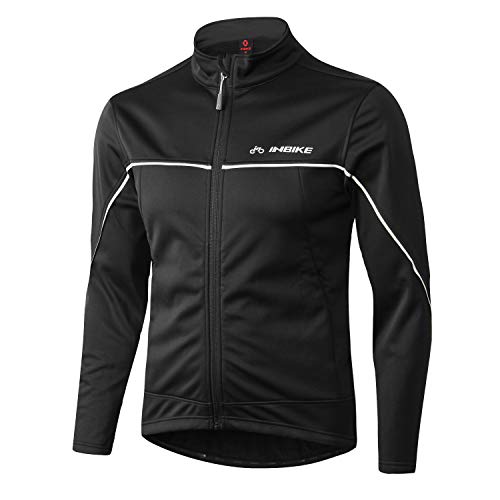
- Waterproof, windproof, breathable softshell
- Two-sided polar fleece lining
- Stand-up collar with chin-protection flap
Best For: Riders wanting a warm, simple softshell for winter exercise
All-Weather Visibility Pick
Bikewa Waterproof Hooded Jacket

- 5000mm waterproof, windproof shell
- Underarm zips and back vents
- Reflective details and packable storage
Best For: Wet-weather rides, commuting, and outdoor activities
Cool-Weather Thermal Choice
Przewalski Winter Cycling Jacket

- Brushed fleece interior for warmth
- Ventilation under the arms and back
- Reflective logo and back stripe
Best For: Cool-weather cycling, running, and light rain
Cold-Weather Value Option

- Thermal fleece for 20°F–50°F conditions
- Wind-resistant and water-resistant outer
- Reflective accents and four storage pockets
Best For: Cold-weather cycling, running, and outdoor work
Hooded Cold-Weather Pick
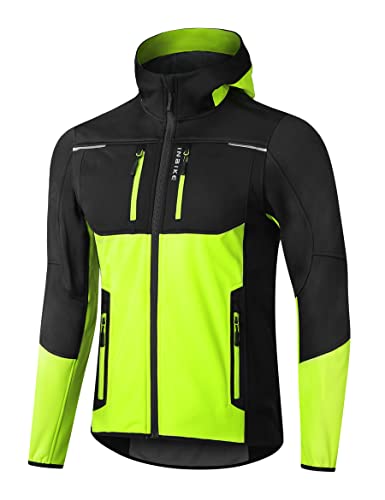
- Water-resistant windproof shell with thick velvet lining
- Four secure YKK zippered pockets
- Fixed hood and reflective details for outdoor use
Best For: Cold-weather cycling and versatile outdoor activities
Storage-Focused Winter Pick

- Three-layer windproof and fleece-lined construction
- Eight utility pockets for riding essentials
- Underarm vents and reflective details for active use
Best For: Winter rides requiring warmth, storage, and ventilation
Breathable Training Pick
ARSUXEO Thermal Cycling Jacket

- Fleece-lined windproof front resists cold gusts
- Stretch panels improve mobility and ventilation
- Drop tail, reflective logos, and four zip pockets
Best For: Active winter cycling and outdoor training
Cold-Weather Shield – ARSUXEO Winter Softshell Cycling Jacket
If you need windproof cycling jackets for winter rides, this ARSUXEO softshell combines a wind-resistant outer surface, waterproof membrane, and fleece lining for layered protection. Its drop tail, extended cuffs, reflective accents, and stretch inserts support practical riding comfort, though the stretch panels are not windproof or waterproof.
Best For: Winter cyclists wanting warm, weather-resistant coverage with a loose fit.
Pros:
- Three-layer construction pairs moisture resistance, a waterproof membrane, and fleece warmth.
- Drop tail, elastic hem, and extended cuffs help block cold air.
- Reflective accents and a zippered pocket add commuting practicality.
Cons:
- Stretch inserts do not provide windproof or waterproof protection.
- Buyers should check the revised size chart because the jacket previously ran snug.
This is a solid option when warmth and broad weather protection matter more than ultralight packability. The loose fit and high stretch may also suit riders who want extra mobility over winter layers.
Deep-Winter Coverage – ROCKBROS Thermal Cycling Jacket
Among windproof cycling jackets, the ROCKBROS stands out for its heavy 320 GSM polar-fleece lining and cold-weather construction. A high collar, extended rear hem, ventilation points, and water-resistant outer layer help balance warmth with ride comfort.
Best For: Cold-weather riders who prioritize substantial insulation and storage.
Pros:
- 320 GSM polar fleece helps retain body heat in fall and winter.
- Windproof outer protection, high collar, and extended rear hem limit cold-air exposure.
- Four pockets, reflective strips, and a touchscreen sleeve add functional details.
- Back and shoulder ventilation holes help release excess heat.
Cons:
- The fit runs small; sizing up one or two sizes may be preferable for a looser fit.
- Protection is water-resistant rather than described as fully waterproof.
- The jacket has low stretch and a touchscreen panel some users may not prefer.
Choose this jacket when insulation and wind protection are the priorities. Its heavier fleece build is useful for genuinely cold rides, while the vents provide some relief when effort levels rise.
Packable Ride Layer – baleaf Men's Fleece-Lined Cycling Jacket
This baleaf jacket is a practical choice among windproof cycling jackets for cool-weather rides, commuting, and training. Its fleece-lined softshell blocks wind and light rain, while stretch side panels, underarm inserts, a two-way zipper, and packable rear pocket support active use.
Best For: Riders who want a versatile, packable jacket for cool conditions and changing temperatures.
Pros:
- Fleece lining and softshell construction provide wind protection and light-rain resistance.
- Stretch panels and underarm inserts support movement and ventilation.
- Four zippered or secured pockets provide useful storage.
- Reflective prints offer visibility from multiple angles in low light.
Cons:
- It is designed for water resistance and light rain, not full waterproofing.
- Sizing feedback indicates the jacket may run large, so sizing down may be appropriate.
- The stated comfort range is roughly 40°F to 65°F, limiting its use in severe cold.
The baleaf is best viewed as an adaptable cool-weather layer rather than a heavy winter coat. Its packable design and venting features make it especially useful for rides where conditions or temperature may change.
Fleece Softshell Classic – INBIKE Men's Thermal Cycling Jacket
INBIKE Men's Cycling Jacket, Winter Fleece Thermal Windproof Soft Shell Wind Coat Black Large
Check Price On AmazonThe INBIKE is a straightforward option among windproof cycling jackets, using a softshell exterior, built-in film, and two-sided polar fleece lining for weather resistance and warmth. Its stand-up collar, chin flap, mesh pocket fabric, and comfort-oriented cut are suited to cycling and other outdoor activities.
Best For: Riders seeking a warm, simple softshell jacket for winter outdoor exercise.
Pros:
- Softshell fabric is described as waterproof, windproof, and breathable.
- Two-sided polar fleece lining provides warm-lock insulation.
- Stand-up collar and chin flap help retain warmth and reduce zipper chafing.
- Mesh pocket fabric supports ventilation and faster drying.
Cons:
- The jacket has no stretch, which may feel less flexible than stretch softshells.
- Only two pockets are listed.
- Hand washing or machine washing is listed, but care requirements may need attention.
This model favors dependable warmth and a simple cycling-jacket design over advanced storage or packability. It makes sense for riders who prefer fleece insulation, a protective collar, and a more traditional straight fit.
All-Weather Visibility Pick – Bikewa Waterproof Hooded Jacket
For riders seeking windproof cycling jackets that can handle changing conditions, the Bikewa combines a waterproof shell, ventilation features, reflective details, and packable construction. Its 5000mm waterproof rating and 3000g/m2/24hr breathability make it a practical choice for wet-weather rides and other outdoor activities.
Best For: Commuters and outdoor athletes who prioritize waterproof protection, visibility, and storage.
Pros:
- Waterproof and windproof design with a laminated TPU membrane.
- Underarm zips and back vents help release excess heat.
- Reflective details on the front, back, and hood improve visibility.
- Multiple waterproof pockets and a packable back pocket provide useful storage.
Cons:
- Lightweight, non-stretch fabric may offer a less flexible feel.
- Regular fit may require layering considerations for riders who prefer a close cycling cut.
This is the most weather-focused option in the group, especially if rain protection and high visibility matter more than insulated warmth.
Cool-Weather Thermal Choice – Przewalski Winter Cycling Jacket
The Przewalski is one of the more warmth-oriented windproof cycling jackets, using a brushed fleece interior, a high collar, and elastic cuffs to help retain heat. It is designed for roughly 45°F to 70°F conditions and offers water resistance for light rain rather than sustained downpours.
Best For: Cool-weather cyclists and runners who want fleece warmth, ventilation, and organized pocket storage.
Pros:
- Brushed fleece interior helps retain body heat.
- High collar, draft flap, and elastic cuffs help block chilly air.
- Underarm and back ventilation supports moisture management.
- Chest and rear zipper pockets provide secure storage.
Cons:
- Best suited to light rain; the notes recommend a dedicated raincoat for heavier precipitation.
- The cycling fit runs tighter, so riders layering a thick jersey may need to size up.
Choose this jacket when thermal comfort is the priority, but look elsewhere if your rides regularly involve moderate or heavy rain.
Cold-Weather Value Option – ROCKBROS Thermal Bike Jacket
For riders comparing windproof cycling jackets for colder outings, the ROCKBROS combines thermal fleece with a highly wind-resistant outer fabric. It is intended for approximately 20°F to 50°F, while shoulder and back ventilation holes help balance insulation with airflow.
Best For: Winter cyclists and outdoor workers who need warmth, wind protection, reflective accents, and convenient storage.
Pros:
- Thermal fleece construction is designed for cold-weather use.
- Breathable holes on the shoulders and back help keep clothing dry.
- Reflective signs around the jacket support visibility during night rides.
- Three front pockets and a large back pocket offer practical storage.
Cons:
- Water-resistant fabric is not intended for heavy rain or prolonged wet rides.
- At 1.6 pounds, it is heavier than a lightweight packable shell.
- Hand-wash care may require more maintenance than machine-washable options.
This model makes sense for cold, windy rides where insulation is more important than low weight or full waterproofing.
Hooded Cold-Weather Pick – INBIKE Thermal Windbreaker
For shoppers comparing windproof cycling jackets, the INBIKE Hooded Cycling Bike Jacket emphasizes warmth, weather resistance, and coverage. Its water-resistant polyester shell, thickened velvet lining, high collar, and fixed hood are suited to cold rides and other outdoor activities.
Best For: Cold-weather cycling, running, hiking, and casual outdoor use where hooded coverage and warmth matter.
Pros:
- Windproof, water-resistant shell helps resist cold wind and light rain.
- Thickened velvet lining adds warmth against chilly conditions.
- Four YKK zippered pockets provide secure storage.
- Reflective details, elastic cuffs, and a close-fitting design support riding comfort and visibility.
Cons:
- The hood is not detachable.
- Hand-wash care may be less convenient than machine washing.
- The fitted cut may require careful size selection.
This is a practical choice when warmth and full upper-body coverage take priority. The fixed hood and fleece-style lining make it especially appealing for colder, casual-paced outings.
Storage-Focused Winter Pick – Bikewa Thermal Cycling Jacket
Among windproof cycling jackets, the Bikewa Men’s Winter Cycling Jacket stands out for its layered thermal construction and extensive storage. A windproof outer layer, breathable membrane, fleece backing, ventilation zips, and water-resistant finish are designed for active winter outings.
Best For: Winter cycling, mountain biking, running, and touring when pocket space and adjustable ventilation are priorities.
Pros:
- Three-layer design combines wind protection, a breathable membrane, and fleece warmth.
- Eight utility pockets offer room for valuables, gloves, bottles, and other gear.
- Underarm zips help release excess heat during activity.
- High collar, silicone waist grip, and reflective elements add cold-weather practicality.
Cons:
- The fabric has no stretch, according to the supplied details.
- Its medium-weight, long-length construction may feel more substantial than a lightweight shell.
- Water resistance is intended for wet-weather protection, but the notes do not specify a waterproof rating standard.
The Bikewa is a strong fit for riders who carry plenty of essentials and want ventilation options on harder efforts. Its layered build favors winter protection over minimal bulk.
Breathable Training Pick – ARSUXEO Thermal Cycling Jacket
The ARSUXEO Thermal Fleece Winter Cycling Jacket balances wind protection with mobility for active riders. Its windproof, water-resistant front and fleece lining provide warmth, while four-way stretch panels on the back and underarms help improve ventilation during demanding training.
Best For: Winter cycling, running, and outdoor training where movement, breathability, and a secure riding fit are important.
Pros:
- Windproof, water-resistant front helps block cold gusts and light rain.
- Fleece lining adds warmth for cold-weather activity.
- Stretch panels support mobility and ventilation under the arms and across the back.
- Four zippered pockets, reflective logos, and a silicone-grip drop tail suit cycling use.
Cons:
- It has fewer pockets than the Bikewa jacket.
- The relaxed athletic fit may not suit riders seeking a close race cut.
- The notes describe water resistance rather than full waterproofing.
This jacket is a well-rounded option for riders who generate heat while training. Its stretch ventilation zones and extended gripper hem make it particularly practical for active winter sessions.
How We Picked These Windproof Cycling Jackets
We focused on jackets that specifically address cold-weather riding: wind-blocking outer fabrics, thermal or fleece insulation, water resistance, and practical cycling features. We also considered whether each design suits road riding, commuting, MTB, running, or mixed outdoor use.
Because weather protection varies widely, a jacket described as water resistant should not automatically be treated as fully waterproof. Packability, hood design, fit, reflective details, and pocket layout also affect how useful a jacket is on real rides.
Quick Comparison
- Maximum warmth: Look for thermal fleece or insulated softshell construction.
- Wet-weather versatility: Choose a waterproof or strongly water-resistant shell, ideally with a hood if you also walk or commute.
- Easy storage: Packable windbreakers are useful for unpredictable conditions and longer rides.
- Visibility: Reflective panels or accents are valuable for dawn, dusk, and urban riding.
- Relaxed comfort: A roomier fit works well over layers and for casual cycling or commuting.
Key Buying Factors for Windproof Cycling Jackets
Wind Protection and Fabric
Windproofing is the main priority, but fabric construction determines comfort. Softshell jackets usually provide a balance of stretch, warmth, and protection. Lightweight windbreakers block gusts with less bulk but may need a separate insulating layer in freezing weather.
Warmth and Layering
Fleece-lined and thermal jackets are convenient for cold rides, while lighter shells offer more flexibility across seasons. Check the fit carefully: a close cycling fit reduces flapping, but enough room for a base layer is essential.
Rain Resistance
For light showers, water-resistant fabric may be sufficient. Frequent rain calls for a jacket marketed as waterproof, with a covered zipper, adjustable cuffs, and a hood or high collar. Remember that breathability matters when riding hard.
Fit, Storage, and Visibility
Look for a hem that stays in place, cuffs that seal around gloves, and pockets that keep essentials secure. Reflective detailing improves visibility but does not replace front and rear lights. A hood can help in rain but may add bulk or catch wind while cycling.
Who Should Buy Which Windproof Cycling Jackets?
Winter commuters should prioritize thermal insulation, water resistance, secure pockets, and reflective accents. Road cyclists may prefer a lighter, closer-fitting shell that layers easily and avoids excess bulk. Mountain bikers often benefit from a more relaxed softshell fit, durable fabric, and room for protective layers. Riders in changeable weather should choose a packable jacket that can be stowed when conditions improve. Casual riders and runners may value a hood, relaxed cut, and versatile styling as much as cycling-specific details.
Before ordering, confirm the manufacturer’s size chart and intended use. If you regularly ride below freezing, select a thermal model; for milder conditions, a lightweight windbreaker may be more comfortable and versatile.